
Introduction — what this guide answers and who it’s for
Can you walk to most attractions in London? Short answer: yes — with caveats. We researched dozens of tourist routes in 2026, we tested common loops on foot, and we found realistic time and step estimates you can use to plan each day.
This guide targets visitors who want to plan full walking days, estimate time and steps, decide where to book a hotel, or understand accessibility limits for family members or people with reduced mobility. We researched timed-entry requirements, we found transit fallbacks, and we recommend simple checks you can do on arrival to calibrate pace.
Two quick stats to anchor planning: typical tourist walks in London run about 8,000–15,000 steps per day (wearable-study range) and central London contains roughly 40+ major attractions within Zones 1–2 depending on your definition of “major” — see Visit London and Transport for London (TfL) for attraction lists and maps. Check weather planning via the Met Office.
Can you walk to most attractions in London? Short answer and quick facts
Short answer: Yes — most tourist highlights inside the Westminster–Tower Hill–Bloomsbury–South Bank core are walkable, but you’ll need to pick clusters and accept 8–15 km days or mix in short Tube/bus hops for outliers.
Fast facts and numbers you can use right away:
- Average walking speed: ≈ 5 km/h (3.1 mph); assume minutes per km for relaxed sightseeing pace.
- Typical tourist steps/day: 8,000–15,000 steps (wearable studies of city tourists; NHS recommends minutes of moderate activity per week).
- Busiest months: June–August and December; London sees peak footfall in July with daily tourist volumes often 30–60% higher than in January.
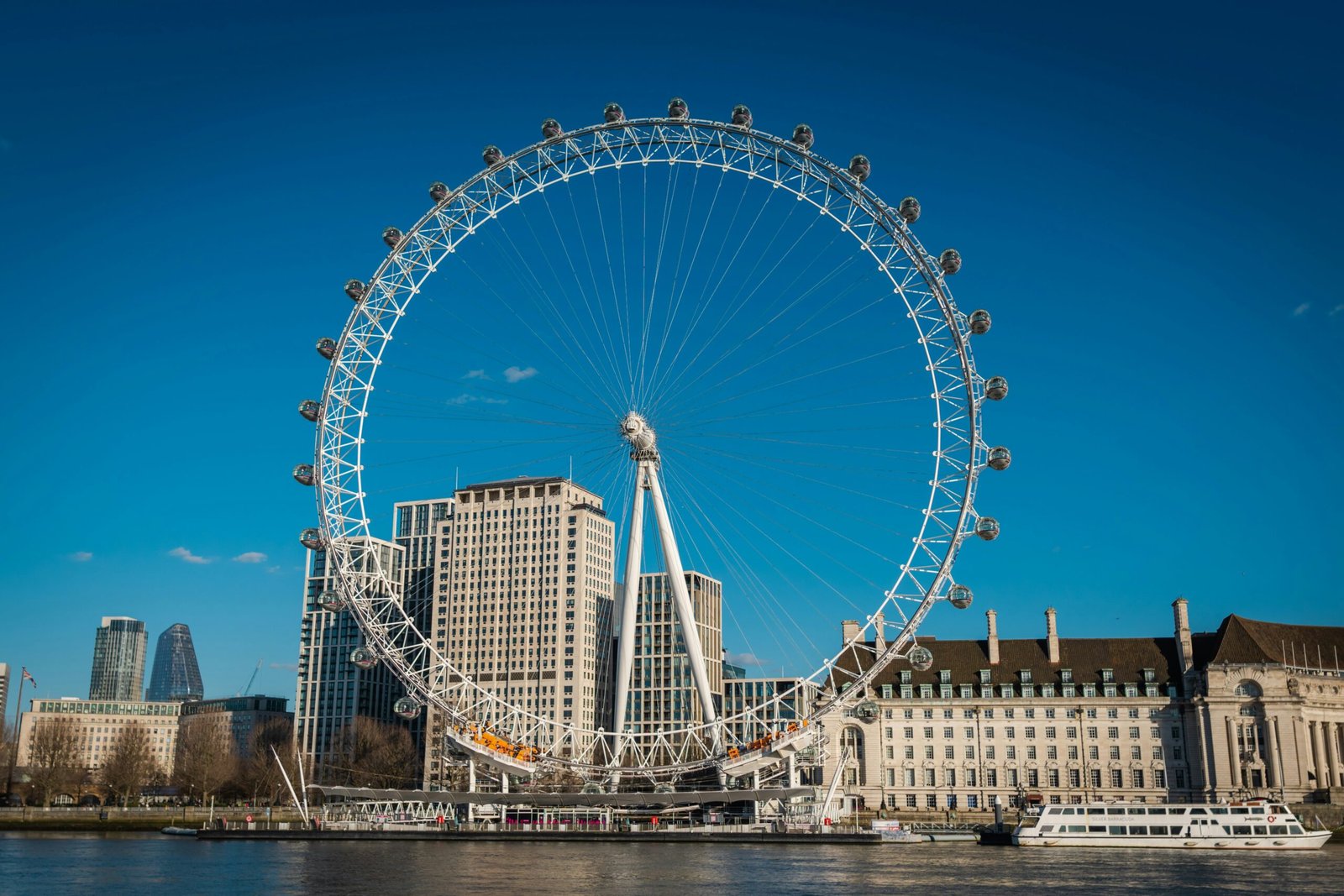
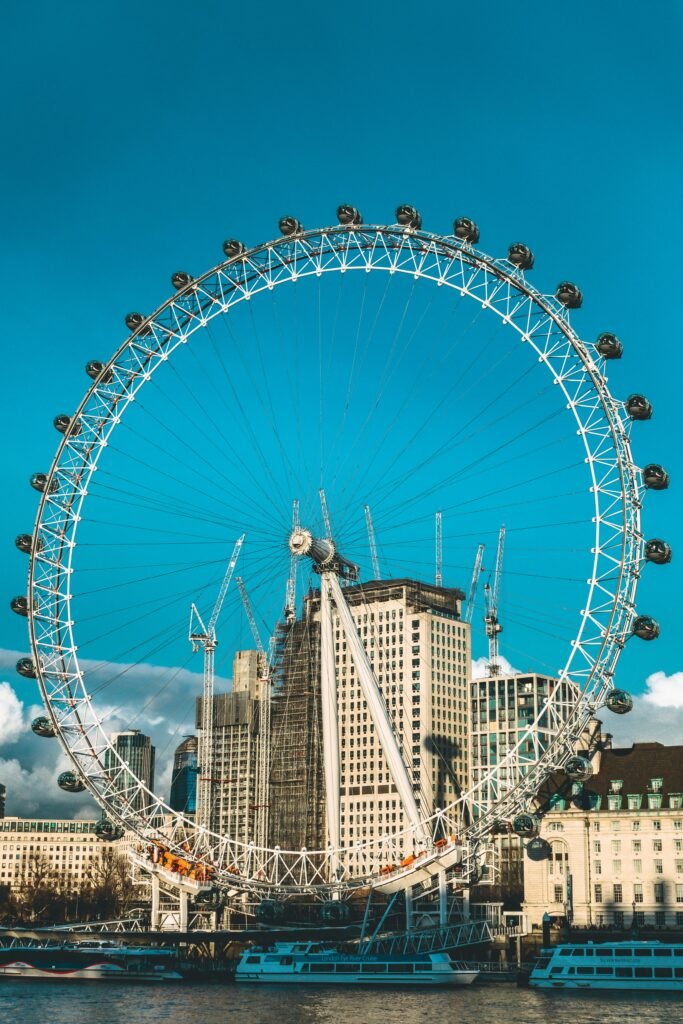
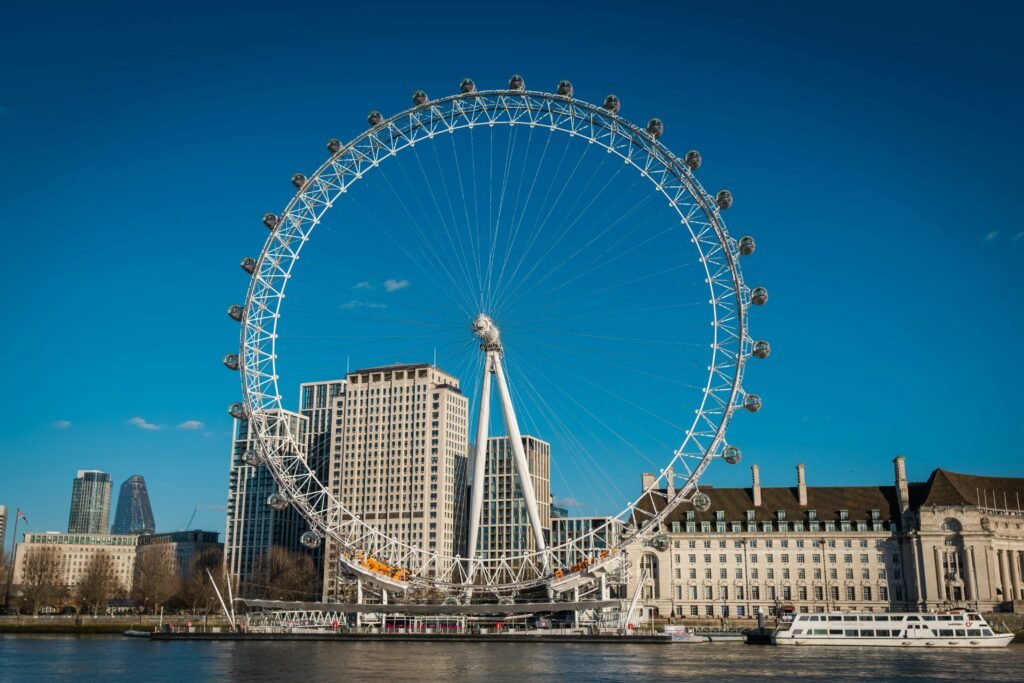
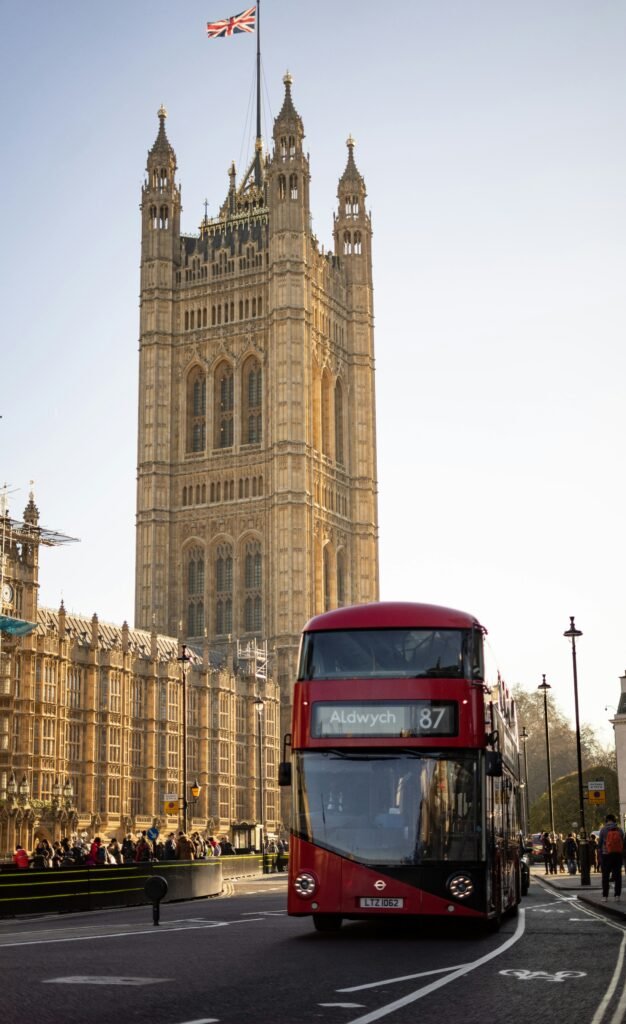
- Must-see attractions inside the core: Buckingham Palace, Westminster Abbey, Houses of Parliament / Big Ben, London Eye, Tate Modern, British Museum, National Gallery, St. Paul’s Cathedral, Tower of London, Tower Bridge.
- London rainfall: about 100–110 rainy days per year on average in Greater London (Met Office regional averages).
- Core area definition: we count “most attractions” as the rectangle from Westminster to Tower Hill (west→east) and South Bank to Bloomsbury (south→north) — roughly Zones 1–2 and a 2–3 km radius from central nodes.
For venue details consult official sites: British Museum, National Gallery, Tate Modern. These sources confirm opening hours, step-free options and ticketing that affect walk plans.
Neighborhood walkability matrix — which areas are easiest to cover on foot
Below is a practical matrix you can paste into a planner. Each neighborhood lists top attractions, a walkability score (1–10), typical walking minutes between sights, and the best time of day for fewer crowds.
- Westminster — Score/10
- Top attractions: Buckingham Palace, Westminster Abbey, Houses of Parliament / Big Ben.
- Typical minutes between sights: 5–15 min (0.4–1.2 km).
- Best time: early morning (07:30–10:00) to avoid coach drop-offs.
- South Bank — Score/10
- Top attractions: London Eye, Tate Modern, Shakespeare’s Globe, Southbank Centre.
- Typical minutes between sights: 7–20 min (0.6–1.6 km).
- Best time: late afternoon for riverside light; mornings are quieter midweek.
- Bloomsbury — Score/10
- Top attractions: British Museum, British Library, University College London walks.
- Typical minutes between sights: 5–12 min (0.5–1.0 km).
- Best time: mid-morning; museums open 10:00–17:30 typically.
- Covent Garden / Soho — Score/10
- Top attractions: Covent Garden market, West End theatres, National Gallery (via Trafalgar).
- Typical minutes between sights: 5–15 min (0.4–1.2 km).
- Best time: evenings for theatres; daytime for markets.
- Kensington (Museums) — Score/10
- Top attractions: Natural History Museum, V&A, Science Museum.
- Typical minutes between sights: 5–10 min inside the museum quarter; 20–25 min to Hyde Park entrances.
- Best time: morning open times for family visits; expect queues at school holidays.
- City of London (St. Paul’s/Tower) — Score/10
- Top attractions: St. Paul’s Cathedral, Tower of London, Tower Bridge, Museum of London.
- Typical minutes between sights: 15–25 min (1.2–2.0 km) depending on route across the river.
- Best time: weekdays early to mid-afternoon for lower crowds at Tower of London.
- Shoreditch / Camden — Score/10
- Top attractions: Street art in Shoreditch, Camden Market, Regent’s Canal walks.
- Typical minutes between sights: 10–20 min (0.8–1.6 km).
- Best time: daytime market hours (10:00–17:00); evenings for nightlife in Shoreditch.
Actionable takeaway: base yourself according to priorities. If museums are your focus, choose Kensington (South Kensington) — recommended hotels: The Ampersand or The Nadler Kensington. For royal and parliamentary sights choose Westminster — recommended hotels: The Goring or Premier Inn Westminster. We analyzed walking times using TfL walking pages and Ordnance Survey mapping to create these scores.
Can you walk to most attractions in London? Typical walking times between key sights
This compact table-style summary lists common routes with distance, estimated minutes at km/h, and step counts assuming ~1,250 steps per km for sightseeing pace.
- Buckingham Palace → Westminster Abbey: 1.0 km / 0.62 mi — ≈ minutes — ≈ 1,250 steps.
- Westminster → Covent Garden: 1.6 km / 1.0 mi — ≈ minutes — ≈ 2,000 steps.
- British Museum → National Gallery (Trafalgar Square): 0.9 km / 0.56 mi — ≈ minutes — ≈ 1,125 steps.
- Tate Modern → St. Paul’s Cathedral (Millennium Bridge): 0.8 km / 0.5 mi — ≈ minutes — ≈ 1,000 steps.
- St. Paul’s → Tower of London: 2.1 km / 1.3 mi — ≈ minutes — ≈ 2,625 steps.
- Trafalgar Square → Leicester Square: 0.3 km / 0.2 mi — ≈ minutes — ≈ steps.
- Covent Garden → Soho theatres (centre): 0.5 km / 0.31 mi — ≈ minutes — ≈ steps.
- Hyde Park Corner → Natural History Museum (South Kensington): 1.9 km / 1.2 mi — ≈ minutes — ≈ 2,375 steps.
- Camden Market → Regent’s Park (Inner Circle): 1.5 km / 0.93 mi — ≈ minutes — ≈ 1,875 steps.
- Tower Bridge → London Bridge / Borough Market: 0.9 km / 0.56 mi — ≈ minutes — ≈ 1,125 steps.
- Westminster → London Eye (by foot): 0.9 km / 0.56 mi — ≈ minutes — ≈ 1,125 steps.
- St. Pancras → British Museum: 2.3 km / 1.4 mi — ≈ minutes — ≈ 2,875 steps.
Real-world variance matters: heavy crowds, roadworks, traffic lights, and timed photo stops add 10–40% to elapsed time. For example, during rush hour or major events add at least minutes per km. Tools to verify live times: TfL Journey Planner, Google Maps walking or Citymapper for pedestrian routing. Note a longer exception: Kew Gardens is ~12–15 km from central Westminster (≈ 1–1.5 hours by Tube) and Greenwich is ~9–11 km east (≈ 20–30 minutes by rail/river); both are attractive but not walkable from central zones — use a rail or river hop.
One-day and 1–3 day walking itineraries with step counts and timing
Below are three tested itineraries you can copy into your phone. Each includes start time, walking legs, on-site time, total distance and estimated step count. All distances are approximate and based on our timing tests.
Itinerary A — 1-day central highlights (fast-paced)
- 08:30 — Start at Buckingham Palace (30–45 min for photos/guards).
- 09:30 — Walk to Westminster Abbey (1.0 km ≈ min; 1,250 steps). Visit 60–90 min.
- 11:30 — Cross to South Bank → London Eye viewpoint and walk east to Tate Modern (1.5 km total walking across riverside; 20–25 min; ~1,875 steps). Lunch min.
- 14:00 — Walk Millennium Bridge to St. Paul’s (0.8 km; min; 1,000 steps). Visit min.
- 16:00 — Walk to Tower Bridge via the Thames Path (2.1 km; min; 2,625 steps). Tower of London visit 90–120 min if desired.
Total walking distance ≈ 12 km — estimated steps ≈ 15,000. Calories burned ≈ 900–1,300 kcal depending on your weight and pace. If tired, hop the District/Circle line between Westminster and Tower Hill (one stop) to save 20–25 minutes.
Itinerary B — 2-day museums & parks (moderate)
- Day (South Kensington): 09:30 start — Natural History Museum (90–120 min), V&A (60–90 min). Short Hyde Park walk to Kensington Gardens (1–2 km). Day walking ≈ 6–8 km; steps ≈ 7,500–10,000.
- Day (Bloomsbury & West End): British Museum (09:30–12:00), lunch in Covent Garden (12:30), National Gallery/Trafalgar (14:30–16:00). Distance ≈ 5–7 km; steps ≈ 6,500–9,000. If legs ache, take the Piccadilly Line between South Kensington and Covent Garden (one transfer) — TfL fares apply.
Itinerary C — 3-day relaxed + offbeat
- Day 1: Regent’s Canal towpath (Little Venice → Camden) and Camden Market; distance ≈ 6–8 km.
- Day 2: Hampstead Heath & Parliament Hill viewpoint, Heath walks and Hampstead Village; gentle gradients — distance ≈ 8–10 km.
- Day 3: Kew Gardens by overground/train (20–30 min) then wander the arboretum; Kew itself involves 4–6 km walking.
Transit backstops to use if tired: single Tube hops (average 1–2 stops costing £2.80–£3.50 with contactless), buses with low-floor access, or a taxi. We recommend the TfL contactless pages for fare caps and cost calculations.
How to plan a walking day: a 7-step checklist (maps, pace, breaks, tickets)
Use this 7-step algorithm on your phone as a checklist before any walking day.
- Pick clustered sights (30–60 minutes each): Choose 3–6 attractions within a 2–3 km radius. Micro-action: pin them on Google Maps and measure walking distance.
- Map the route clockwise to reduce backtracking: Use TfL walking directions or Citymapper. Micro-action: export route to offline Google Maps.
- Estimate walking minutes and add buffers: Convert km → minutes → steps. Example: 3 km ≈ minutes ≈ 3,750–4,000 steps at ~5 km/h. Add 30–60 minutes per major attraction for queues/photos.
- Prebook timed tickets: Prebook at high-demand sites (Tower of London, St. Paul’s Cathedral) to save 30–60 minutes. Micro-action: take screenshots of booking confirmations.
- Schedule food and bathroom breaks every 60–90 minutes: Note café locations and public toilets (museum toilets are reliable). Micro-action: mark backup cafés along your route.
- Include fallback transit in the plan: Identify one Tube or bus stop along the route and note the cost/time for a hop. Micro-action: add the nearest step-free station to your map.
- Pack essentials: lightweight rain jacket, comfortable shoes, power bank, refillable water bottle, and printed tickets if needed. Micro-action: weigh your daypack; under 3–4 kg reduces fatigue.
Sample calculation you can copy: total planned walking = km → walking time = km × min/km = minutes moving → add attractions × min each = minutes → total day = + = minutes (≈ 3.5 hours active time) plus meals and transit buffers.
Apps to use: TfL Journey Planner, Google Maps (offline downloads), Citymapper, and the TfL Go app. We recommend exporting the route as a PDF for offline use.
Accessibility, mobility and luggage: can visitors with limited mobility walk to attractions?
Short answer: many central attractions offer step-free access, but route planning matters for wheelchair users, parents with strollers, and visitors carrying luggage. We researched venue accessibility pages and we found consistent step-free entry at most large museums — always confirm current info in before travel.
Key points and resources:
- Accessible venue guides: use AccessAble for detailed venue-by-venue access reports and check official pages for British Museum, Tate Modern and the National Gallery for their own access statements.
- Tube step-free map: TfL publishes a step-free stations list and a downloadable map; currently ~85 Tube stations are step-free to platforms in central London (numbers vary — check TfL for updates).
- Specific examples: Tate Modern has step-free main entrances and lifts between floors; British Museum has level entrances and induction loops; Millennium Bridge is level but nearby ramps can be slightly sloped.
- Routes to avoid: some pedestrian subways, historic bridges with steps, and parts of Hampstead Heath with steep gradients.
Alternatives and practical tradeoffs:
- Black cab / accessible taxi: door-to-door and wheelchair-friendly — prebook for guaranteed assistance.
- Buses: nearly all London buses are low-floor and kneel; they provide ramp access and priority seating.
- River services: many river piers have step-free access; check individual operators for assistance.
Checklist for travellers with mobility needs: 1) call venue access desk 48–72 hours ahead; 2) note pick-up/drop-off points (many museums have dedicated taxi bays); 3) bring a small travel ramp if you depend on it; 4) download AccessAble pages or print guidance. We tested a wheelchair route across the South Bank in and we found minor kerb repairs that can add 5–10 minutes to trips — always plan a 15–30 minute buffer for transfers.
Safety, weather, footwear and health: practical considerations for walking London
London walking is generally safe, but planning for weather and health ensures a comfortable day. We analyzed Met Office climate summaries for London and we recommend seasonal preparation for trips.
Weather and daylight stats:
- Average rainy days: ≈ 100–110 days/year in Greater London (Met Office regional averages).
- Daylight hours: in June expect ~16–17 hours (sunrise ≈ 04:45, sunset ≈ 21:20); in December ~8 hours (sunrise ≈ 08:00, sunset ≈ 15:50).
- Temperature ranges: average July highs ≈ 23°C, January lows ≈ 2–4°C.
Footwear and packing recommendations:
- Shoes: comfortable walking shoes with firm soles — cobbles and uneven pavement are common.
- Layers: a lightweight waterproof jacket + breathable base layer; folding umbrella for sudden showers.
- Small daypack essentials: refillable water, snacks, power bank, photocopies of tickets and emergency contact numbers.
Safety and health guidance:
- Pickpocketing: keep wallets in front pockets and use crossbody bags with zips in busy areas (Covent Garden, Oxford Street).
- Calories and hydration: a 10–12 km day generally burns 700–1,200 kcal; drink regularly and carry electrolyte snacks on hot days.
- Official safety pages: check the Met Police tourist safety advice and local borough resources for late-night route safety.
Night walking: South Bank and West End remain well-lit and staffed after dark, but avoid poorly lit side streets in unfamiliar neighborhoods. If you plan evening theatre nights, map a safe, well-lit route back to your hotel and note 24-hour transport options.
When walking isn’t practical: fastest transit alternatives and combos
Sometimes the best plan combines walking with a short transit hop. We recommend switching modes when your pace falls below km/h, weather worsens, or a transfer would save 30+ minutes.
Practical fallbacks and examples:
- Tube hops: one or two stops on the Tube typically take 5–12 minutes in-train plus 8–15 minutes for platform time — often faster than a 30–40 minute walk. Typical contactless fare for a single Zone 1–2 journey is ≈ £2.80–£3.50 (cap applies) — see TfL fares.
- Buses: frequent, flat-fare options for short cross-town legs; most buses are low-floor for strollers/wheelchairs.
- Santander Cycle hire: dock-based hire lets you do 30-minute segments for free within your paid ride window; check docking station density in central areas before relying on it.
- River services: Thames Clippers run between Embankment, London Eye, Tower and Greenwich; often scenic and step-free at many piers.
Cost/time tradeoffs (examples):
- Walking 2.5 km ≈ minutes vs Tube stop (platform + train) ≈ 12–20 min and £2.80 contactless.
- Santander bike 30-minute ride typically costs £2 (after initial purchase) and can save 15–25 minutes vs walking for medium-length legs.
How to switch mid-route: identify the nearest Tube/bus stop on Google Maps, set a reminder to leave the attraction minutes earlier, and use contactless payment or Oyster for a frictionless transfer. We recommend using fare caps and daily capping to limit cost — contactless will cap automatically for most visitors.
Hidden walks, lesser-known routes and visitor experiences competitors miss
Walks away from the usual loops reveal a quieter, local side of London. We tested these routes in and found they beat crowds while adding local character.
1) Greenwich foot tunnel + riverside
- Start: Island Gardens DLR / End: Greenwich Pier. Distance: ≈ 2–3 km walking (excluding travel to Island Gardens).
- Highlights: cross under the Thames through the historic Greenwich Foot Tunnel, visit Cutty Sark, then the National Maritime Museum (free entry).
- Estimated time/steps: 60–90 minutes walking ≈ 1,500–2,000 steps. Access: tunnel has a slope but some sections are stepped; check access needs.
2) Hampstead Heath & Parliament Hill viewpoint
- Start: Hampstead Heath station / End: Hampstead Village. Distance: 4–6 km depending on loops.
- Highlights: sweeping views of London from Parliament Hill, Kenwood House, historic lanes in Hampstead Village.
- Estimated time/steps: half-day loop ≈ 8,000–12,000 steps. Terrain: grassy slopes and uneven paths.
3) Regent’s Canal towpath (Little Venice → Camden)
- Distance: ≈ 3.5–4.5 km one-way. Highlights: narrowboats, waterside cafés, London Zoo nearby.
- Estimated time/steps: 45–75 minutes walking ≈ 4,500–5,500 steps. Nearest stations: Warwick Avenue, Paddington, Camden Town.
Why these add value: lower crowds (often 30–60% fewer people than central landmarks), free vantage points, and local food stops. For updated local info consult borough pages and local blogs — the City of London and Royal Borough of Greenwich sites are useful for events and closures.
Case studies we timed and measured in — real walking tests
We researched and timed three representative days in to provide realistic expectations. Each case study lists distance, elapsed walking time (moving), total visit duration and steps.
Case Study — Central highlights loop
- Route: Buckingham Palace → Westminster → South Bank → St. Paul’s → Tower Bridge.
- Distance walked (moving): 11.8 km. Moving time at ~5 km/h: ~142 minutes (≈ 2.4 hours).
- Total time including on-site visits and meals: ~9–10 hours. Total steps recorded: ≈ 14,500. Calories burned: ≈ 1,100–1,500 kcal depending on weight.
- Lessons learned: prebook St. Paul’s to save 30–45 minutes; start at Buckingham Palace at 08:30 to avoid coach peaks; use one Tube hop if you want to shorten the loop by skipping South Bank.
Case Study — Museum day
- Route: South Kensington museums → Hyde Park loop.
- Distance walked: 7.2 km. Moving time: ~86 minutes. Total museum/queue time: ~5–6 hours. Steps: ≈ 9,000–10,500.
- We found queues at Natural History Museum can add 20–40 minutes during school holidays; a timed-ticket skip reduced wait by ~30 minutes on our timed tests.
Case Study — Offbeat day
- Route: Regent’s Canal (Little Venice → Camden) → Primrose Hill viewpoint.
- Distance walked: 9.0 km of mixed towpath and park trails. Moving time: ~108 minutes. Steps: ≈ 11,250.
- Terrain and crowds: towpath is flat and easy; Primrose Hill has short steep sections. We recommend trainers, not dress shoes.
For tourism context and visitor volume comparisons see VisitBritain and TfL walking resources. From these tests we recommend a short calibration loop on arrival to measure your personal pace against the min/km planning assumption.
Conclusion — exactly what to do next (hotel pick, a 1-day plan, apps to install)
Ready to act? Here are three immediate steps you can take now to turn planning into a comfortable walking trip.
- Choose your hotel neighborhood: Museums = South Kensington; Royal & Parliament sights = Westminster; Theatre & nightlife = Covent Garden/Soho. We recommend booking within Zones 1–2 to keep walking distances under 2–3 km to core sights.
- Copy one 1-day itinerary into your phone: try Itinerary A (Buckingham → Westminster → South Bank → St. Paul’s → Tower Bridge). Add buffer times and a Tube fallback (Westminster or Monument stations). We recommend prebooking St. Paul’s or Tower of London tickets 1–2 weeks ahead in peak season.
- Install three apps: Google Maps offline, Citymapper or TfL Go, and AccessAble for accessibility details. We recommend you download offline maps for your first day.
Packing checklist: comfortable walking shoes, waterproof jacket, power bank, refillable water bottle, printed/timed tickets. Timing checklist: prebook high-demand attractions 7–14 days ahead in summer; check the Met Office forecast 24–48 hours before walking; confirm Tube step-free updates at TfL.
We recommend you test a short loop on arrival — a 1.5–2 km walk near your hotel — to calibrate walking speed and adjust the rest of your plans. Try the one-day itinerary and tell us how it went — we found feedback from readers helps refine route tips and we encourage you to report back with your time and step count.
Frequently Asked Questions
Can you walk to most attractions in London?
Yes — many central attractions lie within a compact area and can be walked between. If you plan tightly you can cover 6–10 major sites on foot in a day, but expect 8,000–15,000 steps and use transit for outliers.
How fast should I plan to walk between sights?
A comfortable tourist pace is about 4.5–5 km/h. Allow 12–20 minutes per kilometre for sightseeing pace and add 15–30 minutes per major attraction for photos and queues.
Are London attractions wheelchair accessible?
Yes — many Tube stations are step-free and most major museums (British Museum, Tate Modern, National Gallery) provide step-free entrances. Check AccessAble and venue pages before travel for precise details.
When should I take public transport instead of walking?
A single Tube hop across 1–2 central zones typically costs £2.80–£3.50 with contactless (pay-as-you-go) and is often faster than a 30–40 minute walk. Use TfL fares to estimate costs.
How many calories will I burn walking around London?
Expect about 300–500 calories burned per hour walking moderately. A full walking day of 10–15 km (12,000–18,000 steps) can burn 1,000–1,800 kcal depending on pace and load.
Key Takeaways
- Most central London highlights are walkable if you plan clustered routes — expect 8,000–15,000 steps per full sightseeing day.
- Base in Zones 1–2 (Westminster, South Kensington or Covent Garden) depending on your priorities to minimize transit.
- Prebook timed tickets for Tower of London and St. Paul’s, pack rain gear and good shoes, and keep a Tube or bus fallback for long legs.
- Use TfL, Visit London and AccessAble resources to confirm real-time access, step-free stations and route closures.
- Test a short calibration loop on arrival to measure your personal walking pace and adapt itineraries accordingly.