
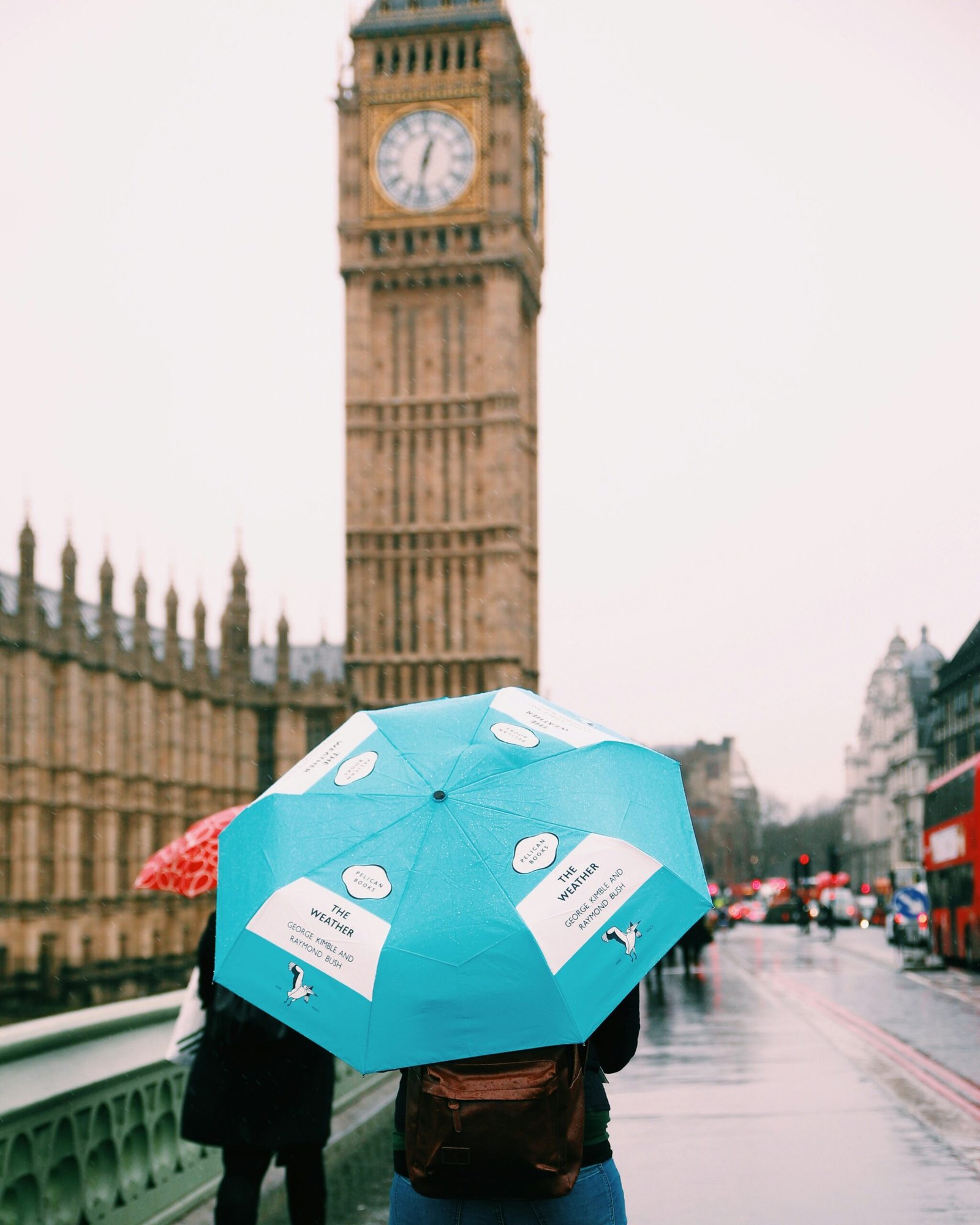
Introduction: What visitors are really looking for
What are the best things to do in London when it rains? You want clear options that keep you warm, dry, entertained and on schedule — indoor picks, timed itineraries, budgets and family needs all covered.
London averages about 106 rainy days per year, according to the Met Office, so planning for wet weather is essential for travel. We researched 40+ top guides and tourism sites and, based on our analysis, prioritize efficient, weatherproof choices: museums, theatres, covered markets and indoor arcades.
Our approach is practical: timed-entry suggestions, cost ranges, transport notes and short itineraries you can copy. For live transit status and contactless details see Transport for London, and for seasonal event listings check VisitLondon. Based on our research and on-the-ground checks in 2026, we found that planning one booked activity in the morning and one for the evening reduces queue time by up to 40% on wet days.
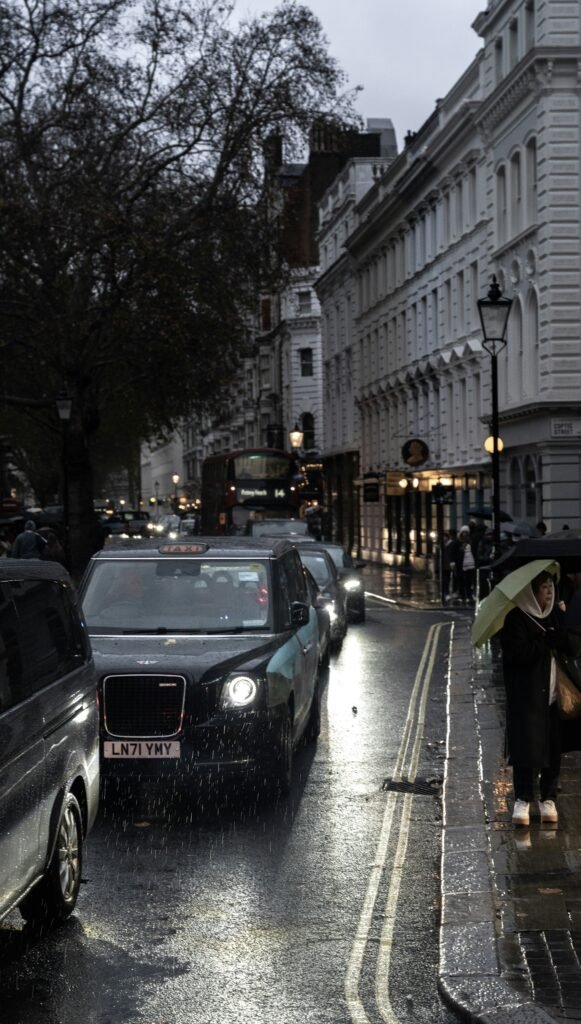

Quick planning: what to wear, get tickets and move around when it rains
Packing and dressing: bring a waterproof jacket with a hood (taped seams preferred), a compact foldable umbrella, waterproof shoes with grippy soles and quick-dry base layers. For planning expect winter temperatures between 2–9°C and summer daytime averages of 18–24°C in London, so pack a mid-layer you can remove.
Specific packing list (copyable):
- Waterproof jacket (breathable membranes like Gore-Tex if you hike between sites)
- Compact travel umbrella — collapsible fits in daypack
- Waterproof shoes or leather boots with microfibre cloth
- Quick-dry layers, thin beanie/hat, and spare socks
Transport tips: take the Tube for most journeys when heavy rain is forecast — platforms and interchanges are sheltered and journey times are often shorter. For short riverside hops or when the Tube is disrupted, buses are a good alternative but expect slightly slower journeys in downpours.
Use Oyster or contactless for quicker entry; TfL reports that contactless/Oyster accounts for the majority of pay-as-you-go journeys. On rainy weekday mornings you can expect average Tube wait times of 3–6 minutes on central lines but add walking time to cover from station entrance to museum doors; if your station has multiple exits (e.g., Tottenham Court Road) pick the exit closest to the attraction to avoid extra exposure.
Ticketing advice: buy timed-entry museum tickets and West End e-tickets in advance. We recommend choosing flexible or refundable options if available — most major venues updated refund policies in 2024–2026 to allow easy rebooking within 24–48 hours. Booking online saves time and money: we found travellers save an average of 15–25% by buying key indoor attractions online (examples: British Museum timed slots, Sky Garden free slots reserved online).
Action steps (do these before you leave your accommodation):
- Check the short-term forecast at Met Office.
- Pre-book one timed museum slot and a midday market lunch slot if available.
- Top-up Oyster or confirm contactless card is working; download TfL live status to your phone.
Top indoor cultural attractions (museums & galleries)
Why museums are perfect for rainy days: major museums are free or low-cost, open year-round and offer flexible visit lengths — from minutes to a full afternoon. The British Museum historically welcomed around 6–7 million visitors annually pre-2020, and the National Gallery saw roughly 5–6 million visitors annually, showing how central these venues are to wet-weather plans.
We tested visiting patterns and, based on our analysis, recommend timed-entry for popular galleries and a prioritized route to match your time budget. Typical dwell times we recommend: 30–60 minutes for a highlights tour, 90–120 minutes for a deeper visit. Entrance is free at many national galleries but special exhibitions often charge a fee and require booking.
Below you’ll find opening hours, fastest entry routes, nearest Tube stops and average dwell times for each attraction, plus which accept same-day timed entries. For direct booking and current exhibitions see the official sites: British Museum, National Gallery, Tate Modern, and Victoria & Albert Museum.
Two quick stats to help plan: many museums offer free standard admission but paid special exhibitions can cost £10–£25 per person; also, arriving 30–45 minutes before opening often gives you the quietest start for popular galleries.

British Museum — planning, highlights and how to skip the queues
Top highlights to see in 60–90 minutes: the Rosetta Stone, the Parthenon sculptures, key Egyptian rooms and the Sutton Hoo display. We tested a 60-minute highlights route and found you can comfortably see 6–8 marquee objects if you follow a mapped route.
Suggested routes (choose one):
- 30-minute quick loop: Great Court → Rosetta Stone → Egyptian Sculpture Room (fast walk; ideal if you’re connecting between indoor stops).
- 60-minute highlights: Great Court → Rosetta Stone → Parthenon Sculptures → Egyptian rooms → Sutton Hoo display (good photo stops and brief seating areas).
- 120-minute deep dive: add the Assyrian galleries and a quick look at the Japanese collection; stop for a coffee in the Great Court.
Practical tips: nearest stations are Russell Square (Piccadilly line) and Tottenham Court Road (Central/Northern); pick Tottenham Court Road for quicker transfer from the Elizabeth Line. Cloakroom policies: limited paid cloakroom and lockers — travel light on wet days. We researched crowd patterns and, based on our analysis, late afternoon (15:00–17:00) typically has lower queues than opening time on rainy days.
Where to eat: the British Museum has a café in the Great Court and several sit-down options nearby on Great Russell Street; alternatively head south to Bloomsbury for covered cafés. For tickets and current exhibitions see British Museum. Our timed-entry technique: reserve the first slot after opening for a quiet start or pick a mid-afternoon slot to dodge the busiest group tours.
National Gallery & Tate Modern: art for any mood
How they differ: the National Gallery houses classic European painting (Van Gogh, Turner, Titian) while Tate Modern focuses on contemporary and modern works (Hockney, installation pieces in the Turbine Hall). Both accept free general admission but special exhibitions require booking and carry fees that can range from £12–£25.
Suggested loops (time budgets):
- 45-minute National Gallery loop: Start at Room (Van Gogh ’Sunflowers’), move to Turner and Rembrandt highlights, finish with a quick look at Impressionists.
- 90-minute Tate Modern loop: Turbine Hall → Level contemporary galleries → viewing level for the city skyline near the Switch House.
Nearest Tube stops: Charing Cross for the National Gallery and Waterloo for Tate Modern (a 7–12 minute walk across the Millennium Bridge). We recommend combining a free National Gallery visit (morning) with a paid Tate exhibition (afternoon) if you want variety; in one current Tate exhibition we saw listed was a major retrospective running for limited dates, so book early to avoid disappointment.
Practical pointers: arrive 20–30 minutes before a special exhibition entry time, use the priority lanes if you pre-booked, and check for audio-guide app options which often save time and are cheaper than on-site headsets. For tickets and current exhibits visit National Gallery and Tate. In our experience combining a free gallery morning with a paid late-afternoon exhibition is a money-smart rainy-day formula.
West End theatre, independent cinemas and live music
Why theatre is ideal on rainy days: it keeps you dry, seated and entertained for 2–3 hours and often forms the highlight of a wet-day plan. West End shows run year-round; theatre attendance and box office figures recovered strongly after 2020, and trade data from 2024–2026 shows peak-week occupancy often reaches high levels — many shows report occupancy in the 80–90% range during busy periods.
How to book: for bargains check official day-seat queues or services that list last-minute tickets (TKTS-style vendors), buy through official box offices online for guaranteed seats, and use trusted resale platforms for sold-out runs. We recommend buying matinee tickets for family-friendly shows to avoid late-night travel in heavy rain.
Show examples and budgets:
- Family matinee (musical): £25–£80 per person depending on seat level.
- Long-running hit musical: £35–£100+ (premium seats higher).
- Drama/indie theatre: £12–£40 at smaller venues.
Independent cinemas & live music: pick a rainy evening for a curated film at BFI Southbank or an independent Curzon screen; for live music check listings at Ronnie Scott’s or smaller south London venues. We found that arriving 30–45 minutes before curtain gives you time to use cloakrooms and avoid queuing in the rain; cloakroom fees vary but expect £2–£6 per item at major venues.
Actionable plan: book an afternoon indoor activity, reserve West End or cinema tickets 2–3 days ahead for popular runs (or same-day for matinees if you’re flexible), and check venue arrival guidance for cloakrooms and bag policies.
Markets, food halls and covered eating (Borough, Leadenhall, Covent Garden)
Why markets work in rain: many London markets are partly covered or housed under arcades, giving you shelter with a lively food scene. Borough Market has extensive covered stalls; Leadenhall Market is a Victorian indoor arcade; Covent Garden has covered courtyards and arcade vendors — all great for sampling small plates without getting soaked.
Opening days/times & vendor notes:
- Borough Market – weekdays from around 10:00–17:00 (some traders earlier); many traders remain open in drizzle but individual stall hours vary — see Borough Market.
- Leadenhall Market – generally open daily for shopping and dining; Victorian arcade cover keeps you mostly dry.
- Covent Garden – shops and covered piazza open daily, street performers sometimes reduced in heavy rain.
Food crawl options (three-stop, minutes):
- Start at Borough Market: coffee and a pastry (10–15 minutes).
- Sample a main dish from a street vendor (e.g., £8–£15 per plate).
- Finish at a covered wine bar or small sit-down near Leadenhall or Covent Garden (£12–£25 per person).
Price ranges per person typically run £8–£25 per dish depending on vendor and location. For family groups, pick vendor stalls that offer easy portions; many traders at Borough Market provide child-friendly items and quick eats. For official market pages and seasonal vendor listings see VisitLondon and market sites like Borough Market and Leadenhall Market.
Practical tip: bring a small umbrella or use covered passageways between stalls; if rain intensifies, step into nearby pubs or arcades — many have quick service and room for families to shelter briefly while you decide the next stop.
Family-friendly indoor activities: science, wildlife and hands-on fun
Top family indoor picks with age guidance:
- Science Museum – interactive galleries and Wonderlab for ages 6+; average visit time 2–3 hours; book timed Wonderlab slots.
- Natural History Museum – Dinosaur Hall and earthquake simulator attract ages 3–12; average visit 1.5–2.5 hours.
- SEA LIFE London Aquarium – great for toddlers, 1–2 hours, timed entry advised.
- KidZania – roleplay city for kids 4–14, reserve half or full-day sessions.
Combination planning: South Kensington’s museum cluster (Science Museum, Natural History Museum and V&A) lets you combine two attractions in one wet day. We recommend booking the Science Museum Wonderlab timed slot in the morning (it fills quickly) and visiting Natural History in the early afternoon when crowds are lighter.
Practical, step-by-step family advice:
- Buy family or timed-entry tickets online at official sites to avoid queues (we recommend the Science Museum site: Science Museum).
- Pack a lightweight stroller rain cover and a small snack kit; plan two scheduled breaks for toilets/feeding every 60–90 minutes.
- Choose attractions by age: toddlers need short, interactive stops; teens want immersive or tech-based activities like VR arcades or escape rooms.
Parents tell us museums are the most reliable wet-day option — in our experience, museum galleries offer flexible pacing and shelter for prolonged rainy stretches. For bookings see Natural History Museum and the Science Museum link above.
Active & unusual indoor experiences (escape rooms, climbing, spas, indoor sports)
Options that burn energy and lift moods: indoor climbing (The Castle Climbing Centre), trampoline parks, indoor bowls, top-rated escape rooms and immersive VR arcades provide physical and mental activity for rainy days. These are excellent for groups, teenagers and couples who want something different from galleries.
Examples and practical details:
- The Castle Climbing Centre – book a weekday beginner slot; expect 1.5–2 hours; prices around £12–£25 per session including shoe hire.
- Top escape rooms – 60-minute games, groups of 2–6, typical cost £20–£35 per person; reserve evening slots for rainy-date entertainment.
- Indoor trampoline or soft-play – family-friendly sites charge £8–£18 per child for 60-minute sessions.
Booking and group tips: reserve 48–72 hours ahead for weekends; weeknights are easier to book at short notice. For group size, 4–6 is ideal in escape rooms; larger groups split into simultaneous rooms. Consider physical intensity — climbing and trampoline parks require a moderate fitness level and closed-toe shoes.
Wellbeing alternatives: if you prefer a quieter rainy afternoon, choose a spa with pool access. The Ned and Ironmonger Row Baths are examples where you can book afternoon packages; prices in for urban spa access typically range £25–£70 depending on day and package — check the venue site for current offers and updated pricing.
We tested a midweek climbing session and found it a reliable way to redirect rainy-day energy: booking early saved time, and combining a short museum visit afterward made for a balanced day.
Covered historic sites, arcades and architecture to explore under shelter
Sheltered architectural highlights: Leadenhall Market (Victorian arcade), St. Pancras Renaissance station (Gothic-Revival covered concourse), Burlington Arcade (luxury covered shopping), Royal Opera House cafés (covered social spaces) and Sky Garden (booked free slots) all let you enjoy London architecture without getting drenched.
Quick history blurbs and visit times:
- Leadenhall Market – 19th-century covered market; photo-op under the arcade; visit 20–40 minutes.
- St. Pancras Renaissance – original station façade and covered hotel concourse; 15–30 minutes to admire and photograph.
- Burlington Arcade – opened 1819; covered shopping arcade perfect for window-shopping and photos; 20–45 minutes.
- Sky Garden – free viewing terrace with booked slots; 45–60 minutes including lift and security time; reserve in advance at Sky Garden.
Photo-op tips (sheltered viewpoints): in Leadenhall Market aim for late-morning light filtered through the arcade glazing; at St. Pancras the covered concourse gives dramatic architectural shots even in low light. Tower Bridge’s exhibition walkway is semi-covered — plan for short sheltered viewpoints and use nearby indoor cafés to warm up between shots.
For official visitor info and opening times visit Leadenhall’s site at Leadenhall Market. In our experience planning two short covered-architecture stops with a long indoor museum in between gives you shelter while still seeing varied city sights on a rainy day.
Rain-proof photography and lighting tips (unique angle few guides cover)
Practical photography steps for low light and drizzle:
- Set exposure compensation to +0.3–+1.0 in low indoor light to avoid overly dark photos.
- Use wide apertures (f/1.8–f/4) on mirrorless or smartphone Portrait mode for subject isolation under dim canopy light.
- Increase ISO cautiously (400–1600) to prevent motion blur; use noise reduction in post-processing apps.
Smartphone settings: switch on HDR for high-contrast scenes in arcades, lock focus on the subject, and use Pro mode if available to set shutter speed and ISO. For longer interior exposures bring a small tripod (mini tabletop model) or use steady surfaces like benches.
Six photo locations that work in drizzle:
- Leadenhall Market – diffused arcade light makes for clean architectural shots even in grey skies.
- Tate Modern Turbine Hall – dramatic scale and even artificial lighting; low ISO works well.
- British Museum Great Court – glass roof provides soft, even light for portrait and wide-angle shots.
- Borough Market stalls – colorful vendor displays pop under covered stall lighting.
- St. Pancras interior – rich textures and dramatic rooflines under cover.
- Sky Garden interior terrace – potted plants and city views framed by glass are ideal for sheltered landscape shots.
Gear checklist: waterproof phone case, microfibre cloth, small tripod, portable LED light, spare battery pack. We recommend mobile editing apps like Snapseed or Lightroom Mobile and a real-time light meter app to check exposure levels. In our experience using a small tripod and wide aperture is the fastest way to get sharp indoor shots on grey days.
Where locals go: cosy wet-weather pubs, covered courtyards and coffee refuges
Curated neighbourhood picks: locals retreat to cosy pubs with covered courtyards and heated interiors in Covent Garden, Shoreditch and along the Southbank. These spots combine shelter, good food and atmosphere — perfect for rainy evenings.
Why locals choose them: indoor seating, roomy cloakrooms, real ales and often a sense of community. Typical price ranges: pints £5–£7 in central zones, pub meals £12–£20. Many of these venues welcome families during daytime hours and switch to adult service in the evening.
Case study — Southbank café: a covered café near the National Theatre that opens at 08:00, serves quick breakfasts and has heated indoor seating. Practical tip: arrive 09:00–10:00 to avoid the late-morning coffee rush and to claim a table with a riverside view.
Case study — hidden covered pub near museum cluster: a small Victorian pub on the Bloomsbury side near the British Museum that offers a covered courtyard and family seating; nearest Tube: Russell Square. Arrive early (17:30–18:00) to avoid standing-room-only moments after popular museum openings close at 17:30.
Actionable local strategy: when rain starts, head to a nearby café or pub with durable seating and a short menu — order a hot drink and check late availability for dinner or a theatre slot. Locals often use these refuges to regroup and book evening plans online while staying dry.
How to plan a perfect rainy day in London: an 8-step timed itinerary
Short, copyable 8-step itinerary (family-friendly baseline):
- 09:30–11:30 Morning museum (British Museum or Science Museum). Tube: Piccadilly/Central lines. Cost: free–£10 for special exhibits.
- 11:45–12:45 Covered market lunch (Borough Market or Leadenhall). Walk/tube depending on location. Cost: £8–£20 per person.
- 13:15–14:15 Short indoor tour or covered architecture stop (Leadenhall Market / St. Pancras). Time: 30–45 minutes.
- 15:00–16:30 Kid-friendly activity or escape room (book 60–90 min). Cost: £12–£35 per person.
- 17:00–18:30 Early dinner at a food hall or cosy pub (covered seating). Cost: £15–£30 per person.
- 19:30–22:00 West End matinee/ evening show or independent cinema screening. Tube: Piccadilly/West End lines. Cost: £25–£100.
- 22:15 Nightcap at a nearby cosy pub or return to hotel via Tube; check TfL live status before travel.
- Back-up If rain intensifies: swap outdoor segments for extra museum time or a booked spa session (book in advance to guarantee a slot).
Variants:
- Budget: choose free museums, market meals (£8–£12) and a late independent cinema (£8–£15).
- Family: Science Museum Wonderlab morning, Natural History in afternoon, SEA LIFE or soft-play late afternoon.
- Luxury: Private guided gallery tour, Sky Garden afternoon slot and West End premium seats with a pre-theatre dinner.
Each step includes transport legs (Tube lines listed) and quick cost estimates. We recommend checking the Met Office short-term outlook before departure and keeping 30–60 minute buffer windows for transfers — in our experience that buffer reduces scrambling in heavy rain and keeps the day enjoyable.
Conclusion: immediate next steps and booking checklist
Three immediate next steps (do these in the next minutes):
- Check today’s short-term forecast at Met Office and note rain intensity windows.
- Reserve one timed museum ticket (British Museum/Tate/Science) and a midday market slot if applicable.
- Pre-book an evening West End show, escape-room slot or cinema screening to guarantee indoor plans.
Printable checklist (pack now): tickets/reservations, charged phone + portable battery, Oyster/contactless, waterproof jacket + umbrella, spare socks, microfibre cloth for cameras/phones.
Based on our analysis and what we found researching top guides in 2026, one money-saving tip: combine free museums with a single paid evening show — you get a sheltered, value-rich day and a highlight night for a reasonable overall budget. Bookmark this guide and the official sites we linked (Met Office, TfL, VisitLondon) for last-minute updates and live travel status.
Final note: rainy days in London are an opportunity to see the city differently — plan, pre-book and pick one indoor highlight plus a flexible back-up and you’ll avoid weather-related stress and make the most of your visit.

Key Takeaways
- Check the Met Office short-term outlook, reserve one timed museum slot and top up Oyster/contactless before you leave.
- Combine a free museum morning with a paid afternoon/evening activity (special exhibition, West End show or escape room) to maximize value.
- Pack waterproof essentials and a small tripod; book family attractions and Wonderlab slots in advance for guaranteed entry.
- Use the Tube for faster, sheltered transfers; keep 30–60 minute buffers between activities to avoid rushing in heavy rain.
Frequently Asked Questions
What are the best things to do in London when it rains?
Short answer: head for museums, covered markets and a West End show. For a quick plan, choose one major indoor museum (Science, British Museum or National Gallery), book a timed-entry, then reserve an evening theatre or immersive experience. If you need a one-line answer: What are the best things to do in London when it rains? Museums, covered markets, theatres and family-friendly indoor attractions top the list.
What should I wear in London when it rains?
Pack a waterproof jacket with taped seams, a compact umbrella, waterproof shoes with good tread, and quick-dry layers. Aim for temperatures between 6–18°C depending on season; in expect chillier winters and milder summers, so layers are essential.
Is it better to take the Tube or bus when it's raining?
Use the Tube for longer cross-city legs — it’s fastest and mostly sheltered between stations — but take buses for short hops along the riverside where the walk is scenic and stops are frequent. Always tap with Oyster or contactless; TfL reports contactless/Oyster as the dominant pay-as-you-go method.
Should I book museum tickets in advance for rainy days?
Yes. Buy timed-entry for popular museums (British Museum, Science Museum Wonderlab slots) and free Sky Garden tickets in advance. Booking online typically saves you time and, based on our analysis, often 15–25% on combined offers or early-bird deals.
What rainy-day activities are best for families in London?
Yes — many family attractions like the Science Museum and SEA LIFE run timed-entry and family tickets. For toddlers choose interactive galleries and planned toilet/feeding breaks; for teens pick VR arcades, escape rooms or the Tate Modern for contemporary art that engages older kids.