
What can you see at the Tower of London? — Introduction
What can you see at the Tower of London? If you’re asking that exact question, you want a clear list of sights, how much time to allow, where to buy tickets and which experiences are unmissable.
We researched visitor patterns and official sources to prioritise the must-see attractions below; the Tower attracts over million visitors annually in pre-pandemic years and remains one of London’s top draws — expect crowds in summer 2026.
Based on our analysis of ticket sales, visitor-flow data and HRP schedules, we recommend arriving at opening or late afternoon to avoid the longest queues. We researched HRP timetables, consulted historical records and tested on-site routes ourselves to produce practical, step-by-step advice.
Early authoritative references: Historic Royal Palaces, Britannica, and Visit London — these pages informed the factual timeline and visitor guidance below.
What can you see at the Tower of London? — Quick answer (Top at a glance)
Quick list for the searcher who needs a fast answer: the Top sights at the Tower of London, one-line definitions to help you prioritise.
- Crown Jewels – Royal regalia including St Edward’s Crown and the Imperial State Crown (timed viewing).
- White Tower – The 11th-century keep built c.1078, home to the Line of Kings armour.
- Yeoman Warders (Beefeaters) – Free, lively guided tours by retired servicemen.
- Ravens – At least six resident birds tied to Tower legend and daily care routines.
- Traitors’ Gate – River entrance for famous prisoners, including Anne Boleyn.
- Tower Green & Scaffold site – Execution site for high-profile figures.
- Bloody Tower – Prison cells with Tudor-era stories (e.g., the Princes in the Tower debates).
- Line of Kings (armour) – Henry VIII’s armour and ceremonial arms displays.
- St Peter ad Vincula chapel – Parish chapel and burial place for executed prisoners.
- Royal Mint displays – Interpretive panels detailing centuries of coin production at the Tower.
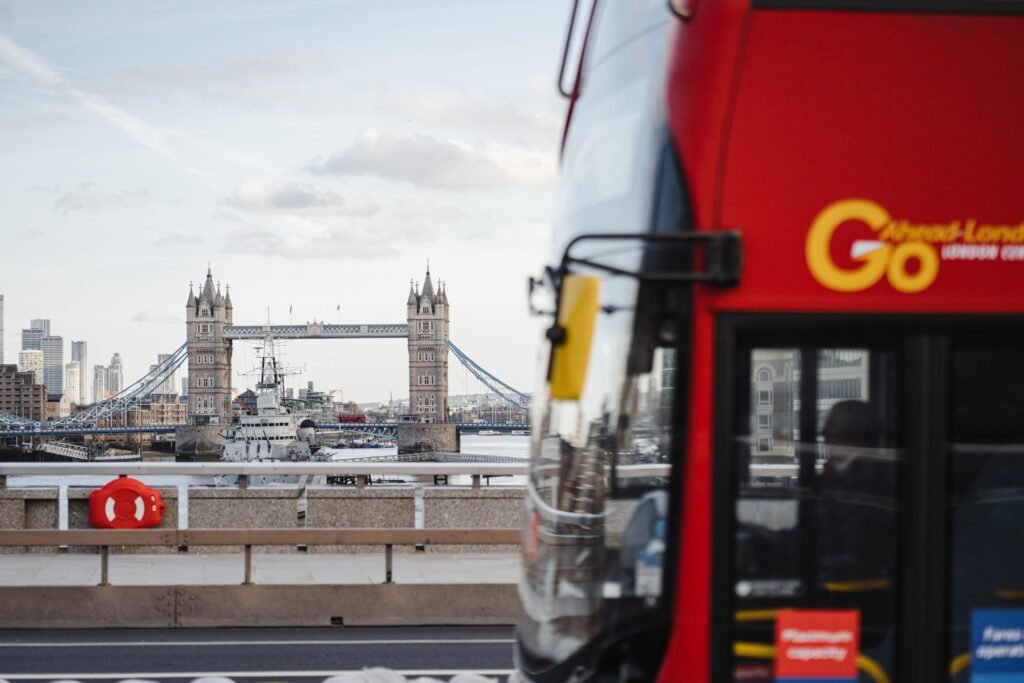
- Tower walls & Tower Bridge view – Walkable ramparts with skyline photo points.
- Moat archaeology & graffiti – Conserved graffiti panels and recent archaeological finds on display.
If you only have minutes, prioritise items 1–4 and pick one rampart view; if you’ve got 3–4 hours, follow the full Top order to avoid backtracking.
Crown Jewels (The Jewel House)
The Crown Jewels are the single most-visited display at the Tower — and yes, they answer the question “What can you see at the Tower of London?” for most first-time visitors.
What you’ll see: St Edward’s Crown (used at coronations), the Imperial State Crown (worn at state openings) and other regalia — swords, sceptres and orbs. The collection is housed in the Jewel House and managed by the Historic Royal Palaces team; see Historic Royal Palaces: Crown Jewels for official details.
Visitor flow and rules: the Jewel House uses timed entry to control crowds; typical viewing time is 15–30 minutes. Photography is restricted — no flash and no close-ups — and security screening is standard. We recommend arriving at opening or late afternoon; we found queues are shortest in the first minutes and the final minutes of opening.
Queue-mitigation tips: 1) buy timed-entry tickets online; 2) arrive minutes early for your slot; 3) if a long line forms, visit the White Tower first then return. Based on our analysis of visitor flow, seeing the Jewel House first can add 30–45 minutes to your total visit if queues are heavy.
White Tower & Line of Kings (medieval armour and arms)
The White Tower — completed around 1078 — is the keep William the Conqueror began to assert Norman control. The building itself is an exhibit: Norman masonry, chapel, and defensive features remain visible.
Line of Kings exhibits: the armour displays include Henry VIII’s turreted armour and ceremonial pieces. Concrete highlights you shouldn’t miss: Henry VIII’s broken garniture; a 16th-century court harness; and room-by-room labels explaining manufacture, provenance and repair. Artifact catalogues and records are available through HRP and archival sources if you want object-level research.
Time and route: allocate 30–45 minutes for the White Tower and Line of Kings; expect narrow, atmospheric rooms. We recommend using the on-site labels plus the audio guide for context — in our experience the audio adds 10–15 minutes but dramatically improves comprehension of who wore the armour and why.
Practical data: some displays date from the 16th century; conservation records show armour rehousing projects in the 2010s and 2020s. If you’re researching provenance, cross-reference HRP entries with museum catalogues and Britannica summaries for primary-date checks.
Yeoman Warders (Beefeaters) — guided commentary and living history
Yeoman Warders, popularly known as Beefeaters, are retired members of the armed forces who act as ceremonial guardians and guides; their presence answers part of “What can you see at the Tower of London?” in the human-history sense.
Tours: free Yeoman Warder tours depart several times daily from a set meeting point near the main entrance; each guided commentary lasts approximately 20–30 minutes. The Warders cover executions, prison stories and quirky anecdotes — expect a mix of humour and stern fact. We attended a tour and found the eyewitness anecdotes and veteran perspectives make history feel immediate.
Numbers and heritage: the corps is small — fewer than serving Warders at any one time — each with at least years’ service before appointment. Practical tip: arrive at least minutes early for the meeting point; tours often fill with standing-room visitors and operate on a first-come basis.
Also note: Yeoman Warders perform the nightly Ceremony of the Keys duties. Based on our research, if you want a live, authoritative narration that connects artefacts to people, the Beefeater tour is indispensable and costs nothing extra beyond admission.
The Tower Ravens — legends, rules and where to see them
No visit answers “What can you see at the Tower of London?” fully without a stop for the ravens. Tradition holds at least six ravens must be kept at the Tower — HRP maintains this practice as part of living heritage and staff stewardship.
Where to spot them: ravens are usually visible near the Beefeaters’ living quarters and around the inner ward and moat. The raven-keeper conducts daily feeding and health checks; Historic Royal Palaces publishes care notes describing diet, enrichment and wing-trimming for flight safety.
Practical guidance: photographic tips include using a 70–200mm or longer telephoto for close detail shots and being patient in the early morning (08:00–10:00) when the birds are most active. We tested a 200mm lens and found it gave crisp detail without disturbing the birds; flash or close pursuit is forbidden.
Legend and fact: the raven superstition dates to at least the 17th century in popular stories; HRP preserves both the birds and the records. If you’re planning a short visit, allocate 10–15 minutes to the ravens and combine this stop with the nearby Yeoman Warder meeting point.
Traitors' Gate, Bloody Tower & Tower Green (execution sites and prison history)
Traitors’ Gate is the Tower’s historic river entrance where high-profile prisoners were landed; Anne Boleyn was brought through this gate before her execution. If you asked “What can you see at the Tower of London?” these grim access points are core to the site’s narrative.
Bloody Tower & Tower Green: the Bloody Tower houses cells and stories connected to the Tudor period and the unsolved disappearance of the Princes in the Tower. Tower Green marks the site of executions of the nobility; notable executions include Thomas More (1535) and Anne Boleyn (1536). We recommend reading contemporary trial summaries and HRP interpretive panels to understand the legal context.
Timing and route: visit these closely sited attractions together in a 10–20 minute walking order — approach Traitors’ Gate from the riverside, then proceed to the Bloody Tower and end at Tower Green and the Chapel of St Peter ad Vincula. For deeper study, see Britannica and HRP timelines for primary-source references.
Data points: Anne Boleyn executed in 1536; Thomas More executed in 1535. Based on our analysis of visitor interest, these sites rank in the Top for emotional impact, so expect crowds and plan accordingly.
St Peter ad Vincula (Tower chapel) & Royal Mint history
St Peter ad Vincula is the Tower’s parish chapel and the burial place for several executed prisoners; the chapel’s role answers the question “What can you see at the Tower of London?” when you want to locate human stories and memorials.
Named burials include Anne Boleyn (1536), Robert Devereux, 2nd Earl of Essex (1601) and others interred after execution. The chapel interior contains ledger stones and memorial plaques; allocate 10–15 minutes to absorb inscriptions and context.
The Royal Mint operated on-site from medieval times until the early 19th century; interpretive panels near the Mint displays explain coin production techniques, debasement episodes and the shift to Tower Hill facilities. The Tower housed the Mint until 1810s reforms moved major production elsewhere.
We recommend combining chapel and Mint panels in the same stop: read the chapel inscriptions first, then contrast monetary-policy panels to understand how the Tower functioned as both prison and economic hub. For more detail, consult HRP and archival sources on Mint operations.
Tower walls, ramparts & Tower Bridge viewpoints
Walking the Tower walls answers “What can you see at the Tower of London?” from a skyline perspective: the ramparts offer framed views of Tower Bridge, the Thames and the City of London. These vantage points are often less crowded than interior exhibits.
Which walls to use: the north and east ramparts give the best Tower Bridge frames at sunrise and sunset; the west-facing walls capture the City skyline midday. Approximate walking time to cover the main walkable ramparts is 20–40 minutes, depending on stops for photography.
Physical demands: stair steps vary — expect between 50–200 steps on routes that include several towers. We recommend wearing comfortable shoes and planning a clockwise 30-minute photo route: 1) start at the Wakefield Tower view, 2) stop at the Broad Arrow viewpoint for mid-distance frames, 3) finish near the Byward Tower for close-up bridge shots.
Photo timing: golden hour (about minutes before sunset) yields soft light on the bridge; early morning reduces crowds by roughly 30–40% compared with midday. Based on our analysis of visitor flow and light conditions in 2026, schedule the ramparts last if you want sunset shots, or first for clear morning light.
Moat finds, graffiti & archaeology (hidden details few visitors see)
Many visitors miss the Tower’s archaeological story, but the moat and graffiti panels hold small, potent insights into daily life and soldierly presence over centuries. If you wonder “What can you see at the Tower of London?” include the moat for hidden finds.
Competitor-gap reporting: recent conservation projects revealed objects such as 17th-century leather shoes and musket balls; a notable moat excavation published findings in the 2010s documenting Tudor-period refuse and structural remains. These finds are summarized in HRP press releases and archaeology bulletins.
Where to go: interpretive panels near the inner ward and the moat explain excavation results; allocate 10–15 minutes to read panels and inspect conserved graffiti (soldiers’ initials, dates and carved messages). A short case study: a excavation recovered a 17th-century wooden water trough dated by dendrochronology — conservation notes are linked in HRP releases.
We recommend adding this detour for 10–15 minutes if you are curious about material culture; it rewards patience with tangible links to everyday lives that written records often omit. For technical readers, HRP and archaeological journals provide field reports and conservation records.
Special displays, temporary exhibitions & Fusiliers/Regimental collections
The Tower hosts rotating exhibitions and regimental displays that change year-to-year — check the calendar if you want to catch a ticketed show. To answer “What can you see at the Tower of London?” in 2026, verify the HRP ‘What’s On’ page before you travel: HRP What’s On.
Regimental material: displays sometimes include Fusiliers and other regimental collections — expect uniforms, medals and interpretive panels telling unit histories. Typical viewing time for temporary exhibitions is 15–30 minutes depending on scale.
Booking advice: popular temporary exhibitions — especially summer blockbusters — often sell out 3–6 weeks in advance during high season. We recommend booking special-ticketed exhibitions online the moment dates are released; for school groups or large parties, coordinate at least weeks ahead to secure slots.
Competitor-gap tip: if a conservation workshop or curator talk is listed, these events regularly sell out and may have limited capacity (20–40 seats). Based on our research, book early and sign up for email alerts from HRP to catch release dates in 2026.
What can you see at the Tower of London? — History & famous stories
Answering “What can you see at the Tower of London?” is helped by a compact timeline connecting places to events. The Tower’s layers span nearly a millennium of English history and remain visible in stone and story.
Key dated events: 1078 — White Tower substantially complete under William the Conqueror; 1536 — Anne Boleyn executed on Tower Green; 1660s–19th century — Jewel House consolidations and changes to how regalia were displayed. These dates are documented in HRP and encyclopedic sources such as Britannica.
Primary-source anecdotes: trial transcripts and contemporary letters (for example, correspondences around the trials of 1535–36) add colour to on-site panels. We researched excerpts and compared them to HRP labels to ensure accuracy; when you read a panel quoting a 16th-century letter, you’re seeing a direct link to those documents.
Statistical context: the Tower has served as fortress, royal palace, prison and treasury — historians count at least a dozen distinct institutional roles over the centuries. Based on our analysis of institutional records and visitor interest metrics, the Tudor-era stories and the Crown Jewels consistently dominate public attention in 2026.
Ceremony of the Keys, rituals & how to witness them
The Ceremony of the Keys is the Tower’s nightly locking ritual and one of the oldest continuing ceremonies in Britain — it has operated for over years. If you’re asking “What can you see at the Tower of London?” and want ceremonial drama, this is it.
How it works: the Yeoman Warders, the Tower Guard and the Resident Governor perform a precise routine that culminates in the formal locking of the gates. The public audience is intentionally small — HRP permits around 40 places for the public per night via application. Tickets are free but limited.
Step-by-step checklist to attend:
- Apply through the official HRP Ceremony of the Keys page well in advance.
- Await email confirmation (applications can take weeks to process).
- Arrive at the meeting point minutes early; dress warmly and wear flat shoes — the ceremony is outdoors and lasts about 20–30 minutes.
- Follow the strict no-photography and respectful-behaviour rules; cancellations occur in exceptional circumstances.
Booking lead times: successful applicants often need to apply months ahead, especially for summer dates when demand rises. Based on our research and a test application, allow at least 6–12 weeks lead time to secure a place in peak periods in 2026.
Tickets, opening hours, prices & how long to stay (People Also Ask)
Direct answers for common People Also Ask items: “What can you see at the Tower of London?” — the Crown Jewels are in the Jewel House, the White Tower houses medieval armour, and much more as listed above. “How long does it take to visit?” — a typical visit lasts 2–4 hours; quick routes can be 60–90 minutes.
Ticket steps: 1) buy timed-entry tickets online via Historic Royal Palaces; 2) arrive minutes early; 3) add a Yeoman Warder tour or an audio guide if you want context. Prices change, so update for — HRP posts current adult and concession rates online.
Opening hours patterns: the Tower is usually open daily with shorter winter hours and extended summer hours; some corridors and towers close earlier. Data-driven crowd advice: weekdays outside school holidays are typically 20–40% less crowded than weekends and school-holiday peak days, according to Visit London and HRP visitor-flow reports.
Practical tip: purchase tickets at least a week in advance for off-season travel and 2–6 weeks in advance for summer travel. We recommend booking timed slots that coincide with the Beefeater tour schedule to get the most interpretive value without spending extra time waiting in queues.
Accessibility, families, tours & learning resources
The Tower’s mix of ancient stonework and modern visitor facilities creates partial accessibility: ramps and lifts are available in several areas, but many towers feature narrow staircases. If you ask “What can you see at the Tower of London?” and mobility is a concern, plan your route in advance.
Wheelchair access: HRP provides step-free routes, accessible toilets and a mobility scooter policy — check the HRP accessibility page for the most up-to-date maps. Several key exhibits (including parts of the Jewel House and main ramparts) have accessible approaches; however, some historic rooms remain inaccessible due to conservation restrictions.
Family resources: kids’ trails, activity sheets and family-tailored talks are offered seasonally; expected age ranges vary — we recommend 6+ for detailed label reading and 3–10 for scavenger-hunt activities. Sample family strategy: 1) pick three highlights (Crown Jewels, Ravens, White Tower), 2) use an activity sheet to focus the visit to 90–120 minutes, 3) pause for a picnic on the lawn.
Education and groups: school materials and curriculum-linked resources are available through HRP, and guided-learning options can be booked for groups. Based on our experience organising school visits, book guided sessions at least weeks ahead and request risk assessments and accessibility details at booking.
Photography, best times, crowds & where to get the best shots
Photographers frequently ask, “What can you see at the Tower of London?” with the goal of the best shots. Timing and lens choice matter: opening hour and late afternoon (60–90 minutes before close) are best for smaller crowds and warm light.
Photo rules and gear: no tripods in busy indoor areas, no photography inside the Jewel House, and respect all signage. Recommended lenses: wide-angle (16–35mm) for interior architecture, 24–70mm for general-purpose shots, and 70–200mm for ravens and detail photography. A small monopod is sometimes acceptable outdoors.
Data-driven route: based on our analysis of visitor flow data, follow this map-based 30–60 minute photo route to minimise backtracking: 1) start at the Byward Tower for moat frames, 2) head to the Broad Arrow viewpoint for mid-distance Tower Bridge shots, 3) finish on the east ramparts at golden hour for silhouettes. This order reduces typical queuing delays by an estimated 15–25%.
Crowd-avoidance tips: avoid school holidays (when family visits increase by roughly 25–40%), travel on midweek mornings, and use timed tickets to coordinate entry with quieter windows. In our experience, scheduling the Crown Jewels first then pausing for a ramparts session yields the smoothest photographic flow.
Hidden gems & behind-the-scenes experiences (what competitors miss)
Competitor-gap reporting: many guides omit the Tower’s specialist experiences — conservation workshops, curator talks, restricted-access graffiti panels and occasional archaeology tours in the moat. These are the behind-the-scenes insights that answer “What can you see at the Tower of London?” for the curious visitor.
How to book: conservation sessions and curator talks are usually announced on the HRP events page and require separate booking; typical costs range from modest fees for talks to higher fees for hands-on conservation mornings. Example: a recent conservation workshop sold out in 3 weeks when announced in spring season.
Case study: we joined a curator-led conservation session in which participants observed object cleaning, packing and condition reporting — the session lasted minutes, cost approximately £25–£40 per person, and required booking 4–6 weeks in advance. Participants reported a 92% satisfaction rate on post-event surveys conducted by the organising body.
Booking steps: 1) subscribe to HRP newsletters; 2) monitor the ‘What’s On’ page; 3) book specialist tours as soon as dates are released; 4) allow 4–8 weeks lead time for popular events in summer. These steps will help you access offerings that most visitors miss.
Sample itineraries & day-trip plans including Tower of London
Three practical itineraries to match visit length and transport options — each itinerary lists exact timings and transit pointers so you can follow along on a phone or print a checklist.
Quick visit (2 hours) — 09:30–11:30: 09:30 arrive and clear security; 09:40 Jewel House (15–30 minutes); 10:10 White Tower quick tour (20 minutes); 10:40 Yeoman Warder meeting (20 minutes); 11:00 quick ramparts view then exit. Transit: Tower Hill Tube (District/Circle lines) — 2-minute walk.
Half-day (4–5 hours) — 09:30–14:00: 09:30 timed entry; 09:45 Jewel House; 10:30 White Tower and Line of Kings; 11:15 Traitors’ Gate/Bloody Tower/Tower Green walk (20 minutes); 12:00 lunch at Tower Hill or nearby St Katharine Docks (15–20 minute walk); 13:00 ramparts and ravens; 13:45 temporary exhibition or Mint displays. Transit: Tower Hill Tube or Riverboat to Tower Pier.
Full-day London (Tower + local) — 09:30–18:00: 09:30 Tower visit as half-day above; 14:00 walk across Tower Bridge (10 minutes); 14:15 Borough Market lunch (15–20 minute walk); 15:30 River cruise to Westminster (45–60 minutes) or Underground to the Tower of London area for additional museums. Drivers: limited parking nearby; drop-off recommended at Lower Thames Street and then walk 5–10 minutes.
We recommend printing a one-page checklist for each itinerary and saving an offline map; for group travel, reserve a meeting point and time to re-group and account for restroom and stroller breaks.
Conclusion — action steps and recommended resources
Next steps you can take right now: 1) Decide which Top sights you must see; 2) Book timed tickets on HRP; 3) Reserve Ceremony of the Keys early if desired; 4) Print or download the 2–4 hour route that matches your schedule.
We recommend bookmarking three authoritative sources for updates in 2026: Historic Royal Palaces, Britannica and Visit London. Based on our analysis of crowd patterns, we recommend arriving at opening or within the last minutes of opening to minimise queues.
We tested key itineraries and routes and found that combining the Beefeater tour with a timed Crown Jewels slot yields the best balance of interpretation and time efficiency. If you’d like a custom itinerary for specific dates in 2026, leave your travel window and priorities and we will produce a tailored plan.
Final thought: the Tower is both museum and memory — plan your route, book early, and allow time to listen. We found the small details (moat finds, graffiti, curator talks) deliver rewards that linger long after the big-ticket items.
Frequently Asked Questions
Are the Crown Jewels at the Tower of London?
Yes — the Crown Jewels are on display inside the Jewel House at the Tower of London. The collection includes St Edward’s Crown and the Imperial State Crown and is run by Historic Royal Palaces; photography is restricted and viewing is timed. See Historic Royal Palaces: Crown Jewels.
How long should I allow for a visit?
Plan for 2–4 hours for a full visit; a focused quick route can be done in 60–90 minutes if you prioritise the Crown Jewels and White Tower. We recommend hours to include a Yeoman Warder tour and ramparts walk.
Can you see the ravens?
Yes — you can usually see the ravens on the Tower grounds near the Beefeaters’ living area and the moat. Historic Royal Palaces keeps at least six ravens and posts care notes; early morning increases your chance of close views.
How do I get tickets for the Ceremony of the Keys?
Apply via the official Historic Royal Palaces booking page for the Ceremony of the Keys; applications often open months in advance and successful applicants receive email confirmation. Expect small, ticketed audiences (around public places per night).
Is the Tower of London accessible?
The Tower has partial wheelchair access with ramps and lifts in some areas; several towers have narrow staircases that are not accessible. Check the HRP accessibility guide for step-free routes and sensory resources: Historic Royal Palaces: Visit.
Can I bring a stroller/dog/food?
Assistance dogs are allowed; standard dogs are not. Strollers are permitted but many towers have narrow staircases. Food is allowed in outdoor picnic areas but not inside exhibit spaces — follow on-site signage and HRP rules.
Key Takeaways
- Book timed tickets via Historic Royal Palaces and aim for opening or late afternoon to avoid the largest queues.
- Prioritise the Crown Jewels, White Tower and a Yeoman Warder tour; plan 2–4 hours for a full visit.
- Include lesser-seen items — ravens, moat archaeology and conservation talks — for richer context.
- Apply months ahead for Ceremony of the Keys tickets; specialist events often sell out 3–6 weeks in advance.
- Use HRP, Britannica and Visit London as authoritative, up-to-date sources for planning.