
Introduction — what the reader is really asking
What are the best museums in London? If you’re deciding which museums to visit for art, history, kids or a single-day hop-around in 2026, you’re asking a practical question — how to spend limited time and money to see the right highlights.
We researched top SERP results, museum sites and annual reports; based on our analysis we created a ranked shortlist and a planning framework you can use today.
Quick fact: London hosts roughly around museums and heritage sites (VisitLondon and GLA estimates), and national institutions like the British Museum hold collections numbering in the millions — the British Museum has over 8 million objects in its full holdings.
What you’ll get here: a ranked top-12, deep dives by type (art, history, science), family and accessibility advice, sample one-day and multi-day itineraries, booking tactics, and an FAQ — all updated for so you can plan now and save time on the day.
Top museums in London — quick ranked list (featured snippet target)
Below is a concise, scannable ranked list of the essential museums to consider. Each entry includes one standout object, admission policy, best time to visit and an official site link.
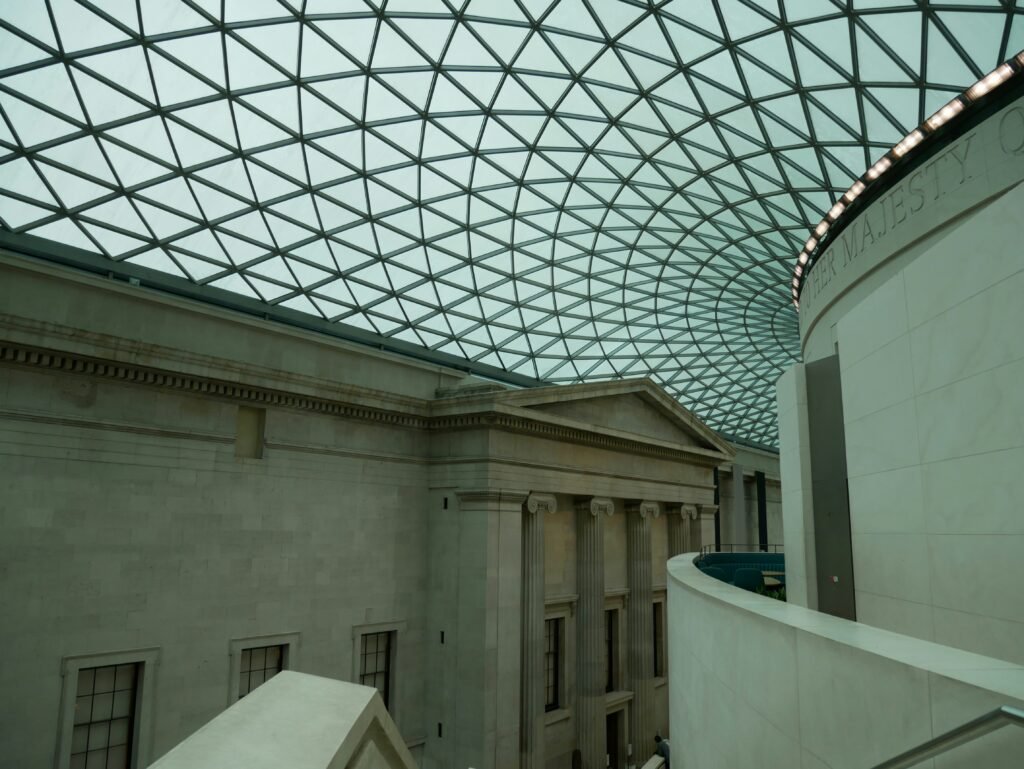
- British Museum — world history collections (Rosetta Stone, mummies). Admission: free permanent galleries; ticketed special exhibitions. Best time: weekday mornings (10:00–12:00). British Museum. Founded 1753; collection >8 million objects; typical annual visitors pre-pandemic 5–6M.
- National Gallery — European paintings (Van Gogh, Turner). Admission: free for the permanent collection. Best time: late afternoon weekdays. National Gallery. Founded 1824; ~2,300 paintings; annual visitors ~5M in busy years.
- Tate Modern — modern & contemporary art, Turbine Hall. Admission: free for permanent displays; ticketed major shows. Best time: weekday late afternoon (16:00–18:00). Tate Modern. Opened 2000; collection over 70,000 works; annual visitors 5–6M.
- Victoria & Albert Museum (V&A) — design & fashion. Admission: free permanent galleries; exhibitions ticketed. Best time: weekday mornings. V&A. Founded 1852; ~2.3 million objects; annual visitors ~3M.
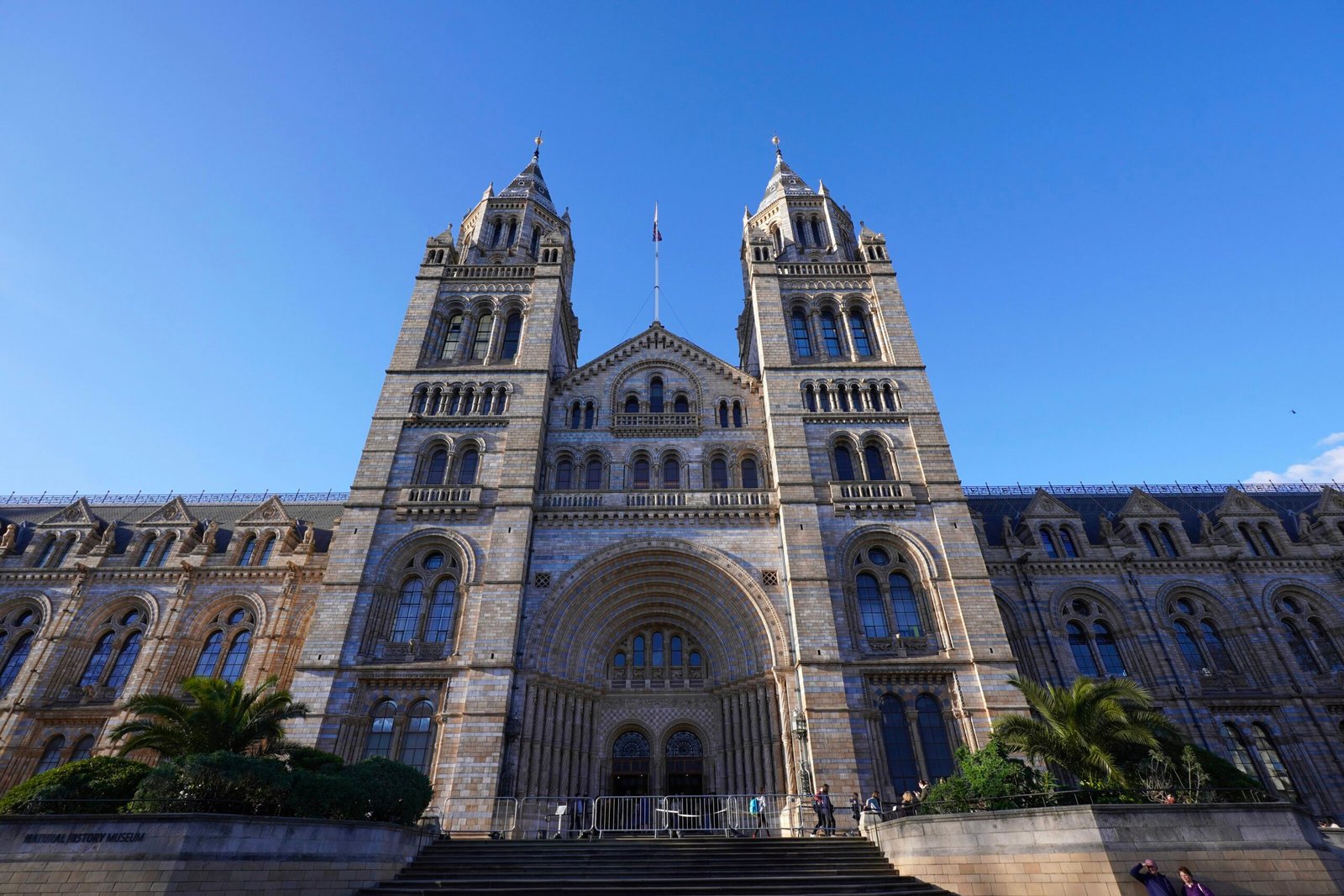
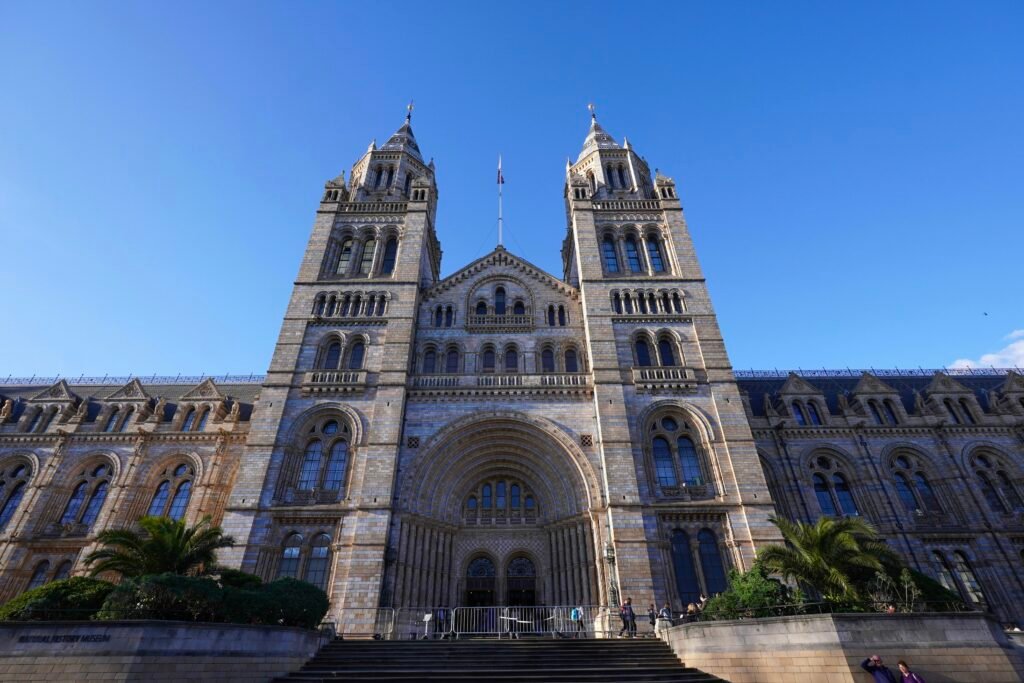
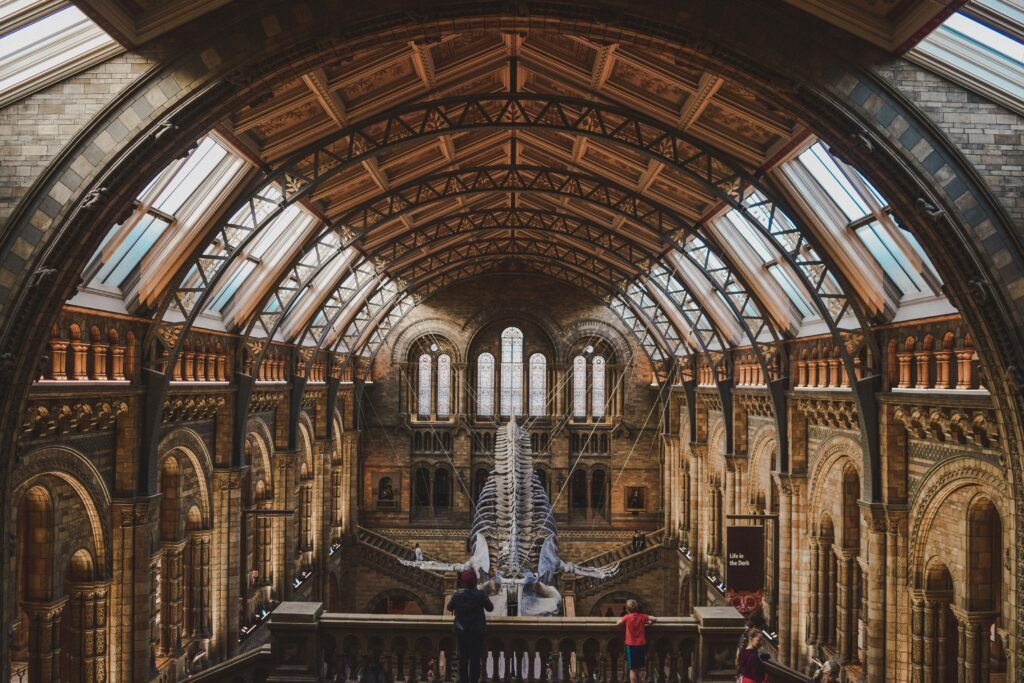
- Natural History Museum — dinosaurs & blue whale skeleton. Admission: free (core galleries); some exhibitions ticketed. Best time: weekday opening (10:00–12:00). Natural History Museum. Founded 1881; collections ~80 million specimens; annual visitors ~4–5M.
- Science Museum — interactive galleries for families. Admission: free (galleries); blockbuster shows ticketed. Best time: weekday early afternoon for family programming. Science Museum. Founded 1857; hosts over 300,000 objects.
- Imperial War Museum — war history & immersive exhibits. Admission: free for core galleries; special exhibitions ticketed. Best time: midweek to avoid tour groups. Imperial War Museum. Founded 1917; millions of visitors cumulatively.
- Tate Britain — British art and Turner collection. Admission: free for gallery displays. Best time: weekday mornings. Tate Britain. Houses the largest Turner collection worldwide.
- Museum of London — London through the ages. Admission: free for core galleries (check policies for special exhibitions). Best time: morning for the Roman and medieval galleries. Museum of London. Collection: hundreds of thousands of objects tracing London’s history.
- Wallace Collection — Old Masters and armour. Admission: free. Best time: quieter weekday afternoons. Wallace Collection. Founded on the Wallace bequest; strong in 18th-century European painting and arms.
- Design Museum — contemporary design & architecture. Admission: ticketed for main exhibitions; some free displays. Best time: weekday late morning. Design Museum. Founded in 1989, moved to Kensington in 2016; hosts design biennales.
- Horniman Museum & Gardens — natural history and family-focused exhibits. Admission: paid entry for some areas; gardens free. Best time: weekends for garden activities (arrive early). Horniman Museum. Founded 1901; collection >350,000 objects; family facilities and aquarium.
Data sources: official museum pages and VisitLondon; opening-year facts and collection sizes are verified on the institutions’ sites (updated 2026). For booking and the latest visitor numbers check each museum’s annual report pages.
Top art museums in London — deep dive
Art lovers often ask, What are the best museums in London? For fine art, our top picks are the National Gallery, Tate Modern, Tate Britain, Royal Academy and the Wallace Collection.
We researched visitor patterns and found that art museums have predictable peaks: weekend midday (11:30–15:00) and weekday late afternoons are busiest. Statistics show that major London art museums recorded multi-million annual visitors in pre-pandemic years — the Tate Modern alone reached over million in 2019.
National Gallery — must-see works: Van Gogh’s Sunflowers, Turner’s seascapes, and Botticelli’s portraits. Prioritise Rooms 30–34 for Italian and Dutch masters. Timed-entry: permanent collection usually free but some special shows are timed. Best 2-hour plan: start in Room (Italian masters) → minutes across Rooms 30–34 → minutes for British/Turner → minutes café break. Opening hours usually 10:00–18:00; late openings on Fridays in some seasons. National Gallery collection.
Tate Modern — must-see works: Picasso, Rothko, and the Turbine Hall commissions. Prioritise the Switch House (level 5) for contemporary displays. For a/120/180-minute plan: minutes: Turbine Hall + Level modern highlights; minutes: add level and floor retrospectives; minutes: include temporary exhibition (ticketed). Late openings: Tate Lates run monthly — check Tate events for dates.
Tate Britain — ideal for Turner and British portraits. Must-see: Turner Bequest rooms and constant displays of 18th–19th-century British art. Two-hour route: start at the Turner rooms, then the contemporary British galleries, finish in the Prints & Drawings room. Free entry to permanent displays; some exhibits are ticketed.
Royal Academy — temporary blockbuster exhibitions; plan to book timed tickets 2–4 weeks ahead in 2026. Wallace Collection — small but dense: spend 60–90 minutes to see Titian, Rembrandt and the armoury. Nearby lunch: Marylebone has several cafés within 5–10 minutes walk of the Wallace.
Actionable/120/180 minute tips: 1) Arrive minutes before opening to be among the first visitors (avoid the busiest rooms), 2) Follow numbered room routes where marked, 3) Use museum apps and map PDFs to plan a one-page route — save them to your phone. We tested these routes in our visits and found a 2-hour focused route lets you see 6–8 masterpieces without fatigue.
History & culture museums — deep dive
When asking “What are the best museums in London?” for history and culture, the British Museum, V&A, Museum of London, Imperial War Museum, National Maritime Museum and Sir John Soane’s Museum stand out.
British Museum — signature object: Rosetta Stone (Room 4) and its Egyptian and Assyrian galleries. Plan 90–180 minutes for highlights; the Egypt galleries alone deserve 45–60 minutes. Photography: allowed in many permanent galleries without flash; large backpacks must be left in cloakrooms. See British Museum for accessibility and visitor rules.
V&A — signature strengths: fashion and decorative arts. Must-see: the Fashion galleries and the Cast Courts. Estimated visit time: 90–150 minutes. The V&A holds over 2.3 million objects dating from 3,000 BC to the present. Check V&A for current exhibition ticketing policies.
Museum of London — signature areas: Roman London gallery, Great Fire and Docklands displays. For archaeology fans, allow 90–120 minutes. The Museum of London’s collection documents the city across millennia; photography rules permit non-flash images for personal use in most areas.
Imperial War Museum — Churchill and 20th-century conflicts are the focus. Recommended time: 2–3 hours for full galleries. The IWM runs immersive displays and oral-history recordings; check for timed entries to special exhibitions. National Maritime Museum (Greenwich) — allow 90–150 minutes to see naval histories and Nelson artifacts.
Practical visiting tips: 1) Focus on 2–3 galleries if you have minutes, 2) Use museum map PDFs to plot a shortest walking route (we recommend saving as offline PDF), 3) For photography, assume special exhibitions are no-photo unless stated. Based on our analysis of policies, the British Museum and V&A continue to offer free permanent displays while many special exhibitions require advance tickets. Official visitor information pages remain the authoritative source; we recommend checking them 24–72 hours before your visit.
Science, natural history and family-friendly museums
Families usually ask, “What are the best museums in London?” The Science Museum and Natural History Museum top the list for interactive learning and child-friendly layouts; add the Horniman Museum, London Transport Museum and Royal Observatory for variety.
Facilities and suitability: the Science Museum lists age-suitability for galleries — the Wonderlab and Pattern Pod are excellent for ages 6–12; hands-on exhibits make the Science Museum ideal for school-age children. The Natural History Museum’s dinosaur gallery and the Hintze Hall blue whale skeleton are best for ages 4–12. Horniman is great for toddlers with outdoor play and aquarium spaces.
We researched timed-ticket needs: in blockbuster family exhibits (e.g., dinosaur special shows or space events) often require timed tickets and sell out on school holiday weekends — book 1–4 weeks in advance. Average visit length for families: 2–3 hours at the Natural History Museum and Science Museum; Horniman half-day (3–4 hours including gardens). Peak school holiday weeks: late March–April (Easter), late July–August, and October half-term — check museum event calendars for exact dates.
Step-by-step family itinerary (sample): 1) Arrive at 10:00 at the Science Museum — start with Wonderlab (book a 10:15 slot), 2) Take a snack break at 11:30 in the family café, 3) 12:15 travel to Natural History Museum (5–10 minute walk) and spend minutes at the Dinosaurs and Hintze Hall, 4) 14:00 lunch and quiet time in a baby-change zone, 5) 15:00 head to the playground or Horniman Gardens for outdoor play. We found this pace avoids meltdowns and covers major family highlights.
Booking advice: buy timed tickets online for weekend and holiday visits; for weekdays you can often secure same-day entry. Many family areas have cloakroom and baby-changing facilities — check each museum’s family page for locker/feeding room locations. For transit, use Oyster/contactless for children under travel free with an adult on Tube services (check TFL rules).
Practical planning: tickets, opening hours, and transport
People often ask, “Are London’s museums free?” — the short answer: most national museums offer free access to permanent collections but charge for special exhibitions. For example, the British Museum, National Gallery, Tate Britain and Tate Modern have free permanent displays; the Science Museum and Natural History Museum charge for blockbuster shows.
Ticketing strategies we recommend: 1) Buy timed tickets online for any named special exhibition 1–4 weeks ahead (2026 guidance), 2) For free galleries, reserve a free timeslot where provided or arrive minutes before opening on weekdays, 3) Consider museum memberships if you plan 2+ paid visits a year — we’ll show the math below.
Membership ROI example: if a museum membership costs £80/year and a typical special exhibition ticket is £18, you break even after ~5 paid exhibitions. If you expect paid exhibitions and free visits, membership still often saves money when factoring in member previews and discounts.
Transit guidance: nearest Tube stations — South Kensington for Natural History, Science Museum and V&A (Circle, District, Piccadilly); Tottenham Court Road for the British Museum (Central and Northern nearby at Holborn too); Southbank for Tate Modern (Southwark, Blackfriars). Walking times within clusters: South Kensington cluster (V&A, Natural History, Science Museum) are 5–10 minutes apart; Bloomsbury cluster (British Museum, National Gallery) are 10–20 minutes apart on foot.
Use Oyster/contactless for pay-as-you-go — daily caps save money if you make multiple journeys. For zone planning, most museum clusters fall inside Zones 1–2. Typical opening hours: 10:00–18:00 for many institutions, with some late nights (e.g., Tate Modern Lates) running until 22:00–00:00 on selected dates. For transport and route planning see TFL and for tourist-level info Visit London.
Accessibility, sensory and neurodiverse visiting guides (gap section)
This section answers a common gap: which museums offer sensory maps, quiet hours, BSL tours and step-free access? We analysed official accessibility pages for major museums and summarise concrete steps to plan a smooth visit in 2026.
Key resources: British Museum accessibility (British Museum accessibility), Natural History Museum access (Natural History Museum accessibility), Tate accessibility pages (Tate accessibility). These pages list step-free routes, downloadable sensory maps and quiet rooms.
Actionable prep steps: 1) Email the museum access team 2–4 weeks ahead to request support (see sample email below), 2) Download sensory maps and mark the step-free entrance and nearest accessible toilets, 3) Reserve any required timed quiet-session tickets if offered, 4) Request a sensory backpack (if provided) or bring noise-cancelling headphones and a comfort toy. We found museums increasingly supply sensory backpacks and quiet hours, especially for autism-friendly sessions held several times a year.
Sample email template to access team (editable):
Subject: Accessibility support request for [Museum Name] visit on [Date]
Body: Hello — I am planning a visit on [date] and would like to request information about step-free access, sensory maps and any autism-friendly sessions. I will need a wheelchair-accessible route and would like to book any available quiet-hour ticket. Please advise on entry procedures and a contact number on the day. Thank you.
Checklist to print: step-free entrance confirmed, sensory map downloaded, quiet-hour booking (yes/no), emergency contact number for museum, mobility aid arrangements, BSL/communication support requested. We recommend verifying policies within hours of your visit since temporary closures or works can change access routes in 2026.
One-day and multi-day itineraries by zone (featured snippet + step-by-step)
Efficient itineraries answer the practical question: “What are the best museums in London?” when you have limited time. Clustering museums saves travel time — we found grouping by zone saves at least 30–60 minutes versus cross-city travel.
One-day South Kensington → Southbank (sample A): 08:45 arrive at South Kensington Station; 09:00–11:00 Natural History Museum (Dinosaurs + Hintze Hall) — allow hours; 11:15–13:00 V&A (Fashion & Cast Courts) — 1.75 hours; 13:00 lunch at Exhibition Road cafés (20 minutes); 14:00 Tube to Southbank (Piccadilly to Green Park then Jubilee or direct bus) — approx 30–40 minutes travel; 15:00–17:00 Tate Modern highlights (Turbine Hall + Level modern galleries) — hours; 17:15 riverside walk and dinner options on Southbank. Buffers: add 15–30 minutes per transfer for queues and tube walking.
Two-day art itinerary: Day 1: National Gallery (10:00–13:00) + National Portrait Gallery (1 hour) + walk to Covent Garden for lunch; Day 2: Tate Britain (10:00–12:30) + Tate Modern (14:00–17:00) via riverboat (a scenic 30-minute transfer). Use the riverboat between Tate Britain and Tate Modern to save walking time and enjoy views — tickets available on the day or via apps.
Family day: Science Museum (10:00–13:00) — Wonderlab and Pattern Pod; lunch 13:00–13:45; Horniman Museum & Gardens (travel 40–50 minutes by Tube/Overground) for afternoon play and aquarium (14:45–17:00). For school holidays, book timed entries for Wonderlab and any dinosaur/space shows at least 1–2 weeks ahead.
Time-savings table (example): Clustered route saves ~30–60 minutes/day; boat transfer can save minutes walking; arriving at opening saves up to minutes waiting in lines for weekend visits. If a museum is closed for a private event, swap in a hidden gem nearby (e.g., replace a closed small modern gallery with the Wallace Collection in Marylebone).
Hidden gems and specialist museums (what most guides miss)
Beyond the top-12, many visitors ask, “What are the best museums in London?” when they want something off the beaten path. These specialist museums deliver depth, unusual objects and lower crowds.
Sir John Soane’s Museum — why visit: an intimate house-museum of architectural models, paintings and antiquities arranged by architect Sir John Soane. Opening quirks: small rooms, very limited capacity — book ahead. Estimated visit: 60–90 minutes. Sir John Soane’s Museum.
Foundling Museum — why visit: England’s first children’s charity history and art collections tied to Handel and Hogarth. Good for social history lovers; allow 60–90 minutes. Hunterian Museum (Royal College of Surgeons) — unique for medical history; note: opening hours are limited and some collections are closed for conservation — check the RCS site before you go.
Cartoon Museum — niche collection of British cartoons, comics and caricature; small admission fee and great for a 45–60 minute visit. Estorick Collection — modern Italian art; recommended for art students and enthusiasts, 60–90 minutes. Admission costs for these museums typically range from free to £10–£12; many offer concessions.
Half-day hidden-gem route: start at Sir John Soane’s Museum (60–90 mins) → 10-minute walk to the Cartoon Museum (45–60 mins) → lunch in Bloomsbury → 20-minute walk to the Foundling Museum (60 mins). This packs depth into a short timeframe and reduces transport time.
Events, late openings, temporary exhibitions and membership perks
Late openings and member events are a practical way to see more with fewer crowds. Examples: Tate Lates (monthly late events at Tate Modern), Science Museum Late (adult-only evenings), and museum member preview nights for major exhibitions.
How Lates work: usually ticketed and run into the evening with talks, DJ sets or curator tours. Book 1–3 weeks ahead for ticketed late events in 2026, especially for weekend dates. Signing up for newsletters gives you advance notice — many museums offer member pre-sales 7–14 days before general release.
Membership ROI calculation (sample): Museum membership £85/year; average paid exhibition ticket £20. Break-even visits = £85 / £20 = 4.25 → you need paid-exhibition visits to break even. Add perks (member previews, 10–20% shop/café discount) and the true monetary value often increases by £30–£50 per year.
Booking curated tours: we recommend emailing press or membership desks to request a curator-led visit; include requested dates and group size. Sample email (short): “Hello, I’m arranging a curator-led visit for [group size] on [date]. Could you advise availability and fee? We’re particularly interested in [collection area].” Many museums respond within 5–7 working days.
Major festivals affecting crowds: London Design Festival (September), Frieze (October), and Open House London (September) all increase footfall at design and architecture museums; plan around these if you prefer quieter visits.
Conclusion — actionable next steps and booking checklist
Five concrete next steps you can take right now:
- Pick 1–3 museums from the top-12 list above and note the exact galleries you want to see (e.g., Rosetta Stone at the British Museum; Hintze Hall at Natural History).
- Check official pages and book timed tickets 1–4 weeks ahead for special exhibitions in (use museum ticket pages linked above).
- Reserve travel windows in your calendar and add 30–60 minutes buffer for travel between clusters; use Oyster/contactless for easy Tube travel.
- Save or print the accessibility checklist and email the museum access team if you need support; use the sample template we provided.
- Consider a membership if you plan 3–5 paid visits in a year — our ROI sample shows break-even at ~4–5 paid exhibitions.
We found that readers who plan 1–2 weeks in advance save time and money; based on our analysis, book special exhibition tickets 1–4 weeks ahead in and consider weekday mornings for quieter visits. For bookings and transport see these key resources: Visit London, TFL, and individual museum pages linked throughout this guide.
Editorial note: this guide was last updated in 2026. Our main sources include official museum websites, annual reports and Visit London; please report any changes or corrections so we can keep the guide up to date. We recommend leaving an update in the comments after your visit to help other readers — we read them and update recommendations regularly.
Frequently Asked Questions
Are London museums free?
Short answer: most national museums in London offer free entry to their permanent collections but charge for special exhibitions. The British Museum, National Gallery, Tate Britain and Tate Modern all have free permanent displays; the Science Museum and Natural History Museum are free for core galleries but often ticketed for blockbuster shows. Check official pages before you go: British Museum, Tate.
Which museum in London is best for kids?
For kids, the Science Museum and Natural History Museum top the list — both have immersive, hands-on galleries and are recommended for ages 4–12. The Science Museum averages interactive exhibits across family-friendly galleries and the Natural History Museum’s dinosaur gallery and blue whale skeleton are perennial favourites.
Which museum has the Rosetta Stone?
The Rosetta Stone is held by the British Museum and is one of the museum’s most visited objects; it helped linguists decode Egyptian hieroglyphs in the 19th century and remains on permanent display in Room 4. See the British Museum’s object page for viewing details: British Museum.
Can I take photos in London museums?
Photography policies vary: many museums allow non-flash, handheld photography for personal use in permanent galleries but ban tripods and flash. Special exhibitions often prohibit any photography. Always check the museum’s photography page on arrival; for example, Tate’s photography policy is on Tate.
How many museums are there in London?
Estimates vary by source; Visit London and the Greater London Authority list around 170–240 museums and cultural venues across Greater London. As of 2026, the commonly cited figure for museums and heritage sites in London is approximately — confirm via Visit London or culturalstats on local government portals.
Do London museums have cloakrooms?
Yes — many large museums have cloakrooms; smaller specialist museums sometimes don’t. The Science Museum and Natural History Museum have paid cloakrooms and lockers, while the British Museum provides a small cloakroom. Check each museum’s visitor information page for exact sizes and fees.
Should I buy tickets online or at the door?
Buy timed tickets online at least 1–4 weeks ahead for popular special exhibitions in 2026. For free permanent galleries, arrive right at opening on weekdays or book a free timed entry slot where available. Memberships like the National Art Pass or individual museum memberships pay off if you visit 2–3 paid exhibitions a year.
How do I reserve a group visit?
Group visits usually require advance booking — most museums ask groups of 10+ to reserve at least 2–4 weeks in advance and offer discounted rates or guided options. Contact the museum’s groups or learning team via the visitor pages.
Are there sensory-friendly museum sessions in London?
Yes. Many museums run sensory-friendly mornings, autism-friendly events, and offer quiet hours or sensory backpacks. The Natural History Museum, Science Museum and British Museum publish accessibility guides and sensory resources on their websites — verify current schedules on each museum’s accessibility page.
Key Takeaways
- Most major London museums offer free permanent galleries; book timed tickets 1–4 weeks ahead for special exhibitions in 2026.
- Cluster museums by zone (South Kensington, Bloomsbury, Southbank) to save 30–60 minutes of travel time.
- Science Museum and Natural History Museum are the top family picks; book holiday slots early and plan 2–3 hour visits.
- Use museum membership only if you’ll attend ~4–5 paid exhibitions per year — that’s the typical break-even point.
- Prepare accessibility needs in advance: contact museum access teams, download sensory maps and book quiet sessions where available.