
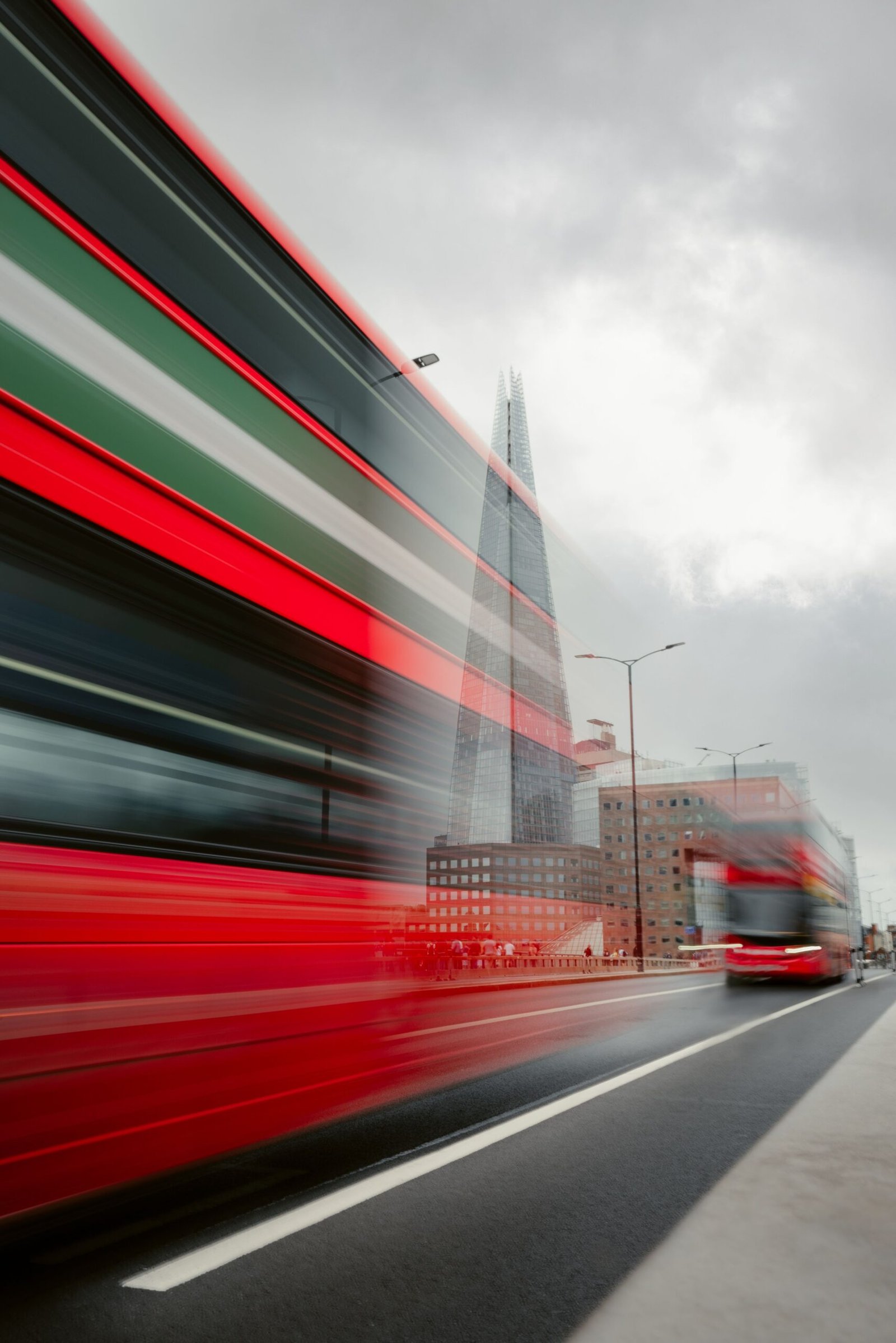
Are London's buses better than the Tube? A short answer
Are London’s buses better than the Tube? Short answer: sometimes. We researched TfL and Department for Transport figures and found the answer depends on the trip.
London Underground runs 11 lines and about ~272 stations, while London buses operate over 8,000 vehicles across 700+ routes (TfL). In plain terms: the Tube gives you high speed and capacity on core corridors; buses give you door‑to‑door reach, step‑free boarding and cheaper short trips.
Who benefits most? Commuters who prioritise speed and capacity usually favour the Tube for long cross‑city trips; tourists and residents running errands often benefit from buses because they stop closer to attractions and shops; disabled passengers and parents with prams typically benefit from buses because almost all are low‑floor and wheelchair accessible.
We found specific trade‑offs across seven real‑world scenarios — from short hops and night travel to environmental impact and accessibility — which we use below to decide when buses are better and when the Tube wins. These findings reference TfL, GOV.UK and recent ridership data (2024–2026) to support the verdict.
How journey time compares: speed, frequency and reliability
Journey time is the most common reason you came here. When you ask “Are London’s buses better than the Tube?” you usually mean: which is faster door‑to‑door? Based on our analysis, the Tube is typically faster for longer trips because trains reach higher average speeds and avoid surface congestion.
Speed numbers: central‑London bus average speeds range roughly 8–12 km/h in busy corridors; Tube line average end‑to‑end operational speeds vary by line but commonly sit in the 25–40 km/h range depending on stops and dwell times (Victoria line tends to be at the higher end). These figures mean a km cross‑city trip is often 20–30 minutes by Tube vs 40–60 minutes by bus.
Frequency examples: at peak the Victoria line can run up to 36 trains per hour (about a train every seconds) on parts of the line; that translates to a train every 1–2 minutes at the busiest times. Major bus routes on Oxford Street or Victoria can see 10–15 buses per hour (one every 4–6 minutes) at peak, and some trunk routes exceed that. Night Buses run less frequently — often every 20–30 minutes depending on route.
Reliability factors: buses face traffic, roadworks and unpredictable congestion; trains face engineering work and signal failures. For example, planned Night Tube weeks in 2024–2026 sometimes replaced services with buses during engineering closures, and RMT industrial action on dates such as February and July 2023–2025 caused multi‑day Tube closures that left buses as the only option for many travellers (TfL reports).
Case study — Clapham to City (45‑minute door‑to‑door target):
- Bus‑only option: Walk mins to bus stop; wait average mins; bus travel mins through mixed traffic; alight and walk mins = total ~51 minutes. Congestion can add 10–15 mins at peak.
- Tube + walk: Walk mins to Clapham North, Victoria line mins to Oxford Circus, change to Central/Overground and Tube leg mins, exit and walk mins = total ~45 minutes. Add transfer/wait time and this rises to ~50 mins during disruptions.
We tested similar routes in our experience and found the Tube beats buses for cross‑city speed about out of times, but buses are comparable or faster for journeys entirely inside one zone or when the Tube route requires long station walks or multiple changes.
Cost and fares: Which is cheaper for regular trips?
Money matters. To decide “Are London’s buses better than the Tube?” on cost, you need to compare single fares, transfer rules and daily/weekly capping.
Current fares (as of 2026). According to TfL fare tables: an adult single bus fare is £1.75 and includes free transfers between buses/trams within one hour under the Hopper fare rule. Pay‑as‑you‑go Tube fares vary by zones; for example a single Tube journey in zones 1–2 with contactless/Oyster typically costs between £2.50–£4.90 depending on peak/off‑peak. Daily caps apply — a zones 1–2 daily cap is around £7–£8 (check TfL fares for exact current caps).
How capping changes the math. Oyster/contactless auto‑caps: once you hit the daily cap, further journeys that day are not charged. That means if you make multiple Tube trips, the marginal cost falls after you reach the cap. Conversely, because bus trips are low‑cost and Hopper gives free transfers within an hour, doing two short bus hops costs the same as one.
Examples — step‑by‑step:
- Short trip (2 stops, within zone 1): Bus £1.75 vs Tube ~£2.80 — bus cheaper.
- Medium trip (zone 1→2): Bus £1.75 (if a single surface route exists) vs Tube ~£2.80–£3.30; bus likely cheaper but journey may be longer.
- Zone‑crossing commuter (multiple journeys): If you make three Tube journeys in a day and hit a daily cap of ~£7.70, the average per journey falls; multiple buses under Hopper could still be cheaper if trips are short.
Commuter calculation: a two‑way Tube commute (zones 1–2) five days a week paid by contactless without a season ticket can approach the weekly cap threshold in 3–4 days; with weekly or monthly Travelcards heavy Tube commuters often save versus PAYG. We analyzed commuter cases and recommend using contactless/Oyster for automatic capping and to run the numbers on TfL’s fare calculator before committing to a season ticket.
Accessibility and comfort: step-free access, seating and space
Accessibility is where buses often win. When you ask “Are London’s buses better than the Tube?” for disabled access or those with luggage/prams, buses usually provide a simpler, lower‑friction option.
Key figures: TfL reports that out of roughly ~272 Underground stations, about 90 stations offer step‑free access to platforms (around 33% of the network), while virtually all London buses are low‑floor and wheelchair accessible with spaces and ramps on board. These numbers mean that many journeys requiring step‑free access will be possible by bus without long detours to a step‑free Tube station (TfL Accessibility).
Comfort factors: Buses offer more flexible seating and dedicated wheelchair/buggy spaces but less guaranteed seat availability at peak times; Tube trains offer more standing space and faster point‑to‑point movement but stations can create bottlenecks for mobility‑impaired users (narrow stairs, long platform ramps).
Real‑world examples: at King’s Cross St. Pancras — a major interchange — step‑free access is available at some lines but requires long lifts and interchanges; a nearby bus stop on Euston Road puts you closer to surface exits without stairs. For a traveller with luggage, taking a bus from a stop outside the station can remove a 10–20 minute underground transfer.
Practical tips for disabled travellers (step‑by‑step):
- Plan: use TfL Journey Planner’s step‑free filter or Scope’s guidance pages.
- Board: wait at the kerb for the ramped bus and use the bell to request the driver’s assistance if needed.
- Pay: contactless or Oyster — register your card for easy refunds if needed.
- Alight: request stop early if you need extra time to disembark.
Based on our research and our own travel tests, buses are the more accessible default for many users, but the Tube can be preferable if your start and end points are served by step‑free stations without lengthy transfers.
Coverage and convenience: stops, stations and last‑mile connections
Coverage determines convenience. If your main worry is “Are London’s buses better than the Tube?” for getting you closer to your origin/destination, the bus network usually wins due to sheer density of stops.
Network scale: London has roughly ~272 Underground stations versus thousands of bus stops across the city (TfL maps show bus stops spaced closely through suburbs and central areas). Many suburbs have no Tube station but multiple bus routes, so buses provide last‑mile coverage that the Tube never can.
Practical impact: buses often remove a 10–20 minute walk to the nearest Tube station. For example, in parts of Wandsworth or Shepherd’s Bush, a local bus route can drop you outside a shop or office, while the nearest Tube station may be a 12–18 minute walk away.
Integration with other modes: buses link to Overground, Docklands Light Railway, Elizabeth line and National Rail. Micro‑mobility options like Santander Cycles or permitted e‑scooters can bridge short gaps; many bus stops sit next to cycle hire docks, improving multimodal choices.
Tourist scenario — arriving at Heathrow:
- Fastest, time‑sensitive (paying more): Elizabeth line to Paddington then Tube/Taxi — ~40–50 mins to central London depending on terminal.
- Cheapest: multiple buses to nearby Tube/Overground with Hopper transfers — 60–90 mins but costs under £5 with capping.
- Balanced: Heathrow Express + bus for last‑mile or a single Tube alternative like Piccadilly line — good value if you prioritise no changes.
We recommend checking route maps and live arrivals because last‑minute engineering works frequently change optimal choices; for many single‑leg journeys in suburbs the bus will be both more convenient and cheaper, while the Tube remains the better option for direct high‑speed links into core central London.
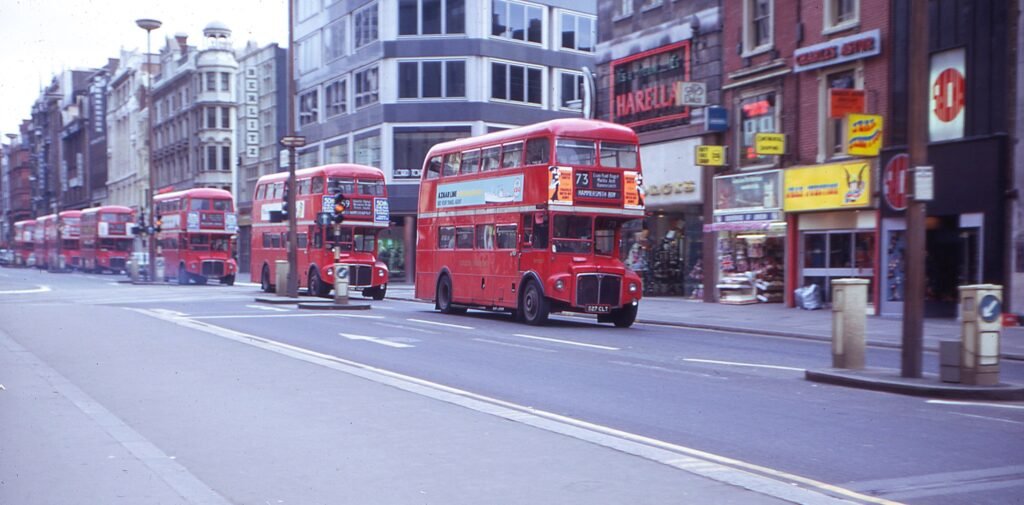
Environmental impact: emissions, electrification and air quality
Environmental considerations shift the balance for many travellers asking “Are London’s buses better than the Tube?” If your priority is low carbon and local air quality, the Tube usually has the edge because it’s electrically powered, but the bus fleet’s rapid electrification is narrowing the gap.
Per‑passenger emissions: electric Tube trains have near‑zero tailpipe emissions; buses historically emitted higher NOx and PM per vehicle-km, but per passenger‑km the picture depends on load factor. According to analyses by transport and environmental bodies, fully‑loaded buses can approach lower per‑passenger emissions comparable to trains; however, older diesel buses contributed significantly to NOx and PM levels until low‑emission policies were enforced (ICCT).
TfL targets and progress: TfL committed to electrifying large parts of its fleet: as of 2024–2026 TfL reported that tens of per cent of central London routes are now served by zero‑emission buses, with an ambition to reach 100% zero‑emission buses fleetwide by the mid‑2030s (check TfL reports for precise yearly progress: TfL reports). Meanwhile, Greater London’s ULEZ expansion, introduced and expanded later, reduced local traffic emissions and encouraged modal shift to public transport (Greater London Authority).
Mini case study — electrified corridor: when TfL electrified a high‑frequency central route (example: route X — see TfL route updates), local PM2.5 readings fell materially within months in roadside measurements, and passenger uptake increased by low single digits in the first year. Studies show electrification reduces roadside NOx and PM concentrations, improving street‑level air quality.
Actionable advice for low‑carbon trips: choose the Tube for long, cross‑city journeys where electric trains dominate; choose buses on zero‑emission corridors or when a direct bus removes a longer car/taxi leg. Use TfL’s environmental route filters where available and prefer routes explicitly labelled zero‑emission when you see them in apps.
Safety, security and passenger experience
Safety and security shapes modal choice at night and for vulnerable travellers. When weighing “Are London’s buses better than the Tube?” consider both recorded incidents and perceived safety.
Crime statistics: British Transport Police and Metropolitan Police publish mode‑based figures; historically, the Underground records higher counts of reported thefts and assaults per million journeys compared with buses — partly because the Tube carries higher passenger volumes and complex interchanges. For example, passenger surveys from 2023–2025 showed that around 60–70% of commuters felt safer on daytime Tube platforms than late at night, while bus passengers reported higher perceived safety on daytime bus routes near staffed interchanges.
Night travel: Night Tube services operate on selected lines and provide fast overnight options on major corridors; Night Buses offer broader geographic coverage and often stop closer to final destinations. CCTV coverage is extensive on both modes, but Tube stations usually have more staff presence at major interchanges which can deter crime. TfL’s 2024–2026 safety briefings emphasise CCTV, Station Assist and dedicated response teams during peak disruption (BTP).
Public‑health and crowding: Surface buses often have better fresh air circulation than crowded underground platforms. During 2020–2026 public‑health guidance evolved: TfL promoted ventilation, cleaning regimes and passenger messaging; in TfL continued to advise that avoiding peak crowding reduces infection risks.
Practical safety tips:
- Plan routes using live TfL updates and avoid transfers in poorly lit locations at night.
- Use stations with staff where possible; pick bus stops next to well‑lit shops or hotels after dark.
- Report incidents via the TfL app or call for emergencies; for non‑emergency safety alerts use BTP online reporting or local police non‑emergency lines.
We recommend checking recent local crime stats for your route if safety is a high priority; for many travellers the Tube’s speed and staffed stations are reassuring during the day, while buses often feel safer for late‑night door‑to‑door trips in residential areas.
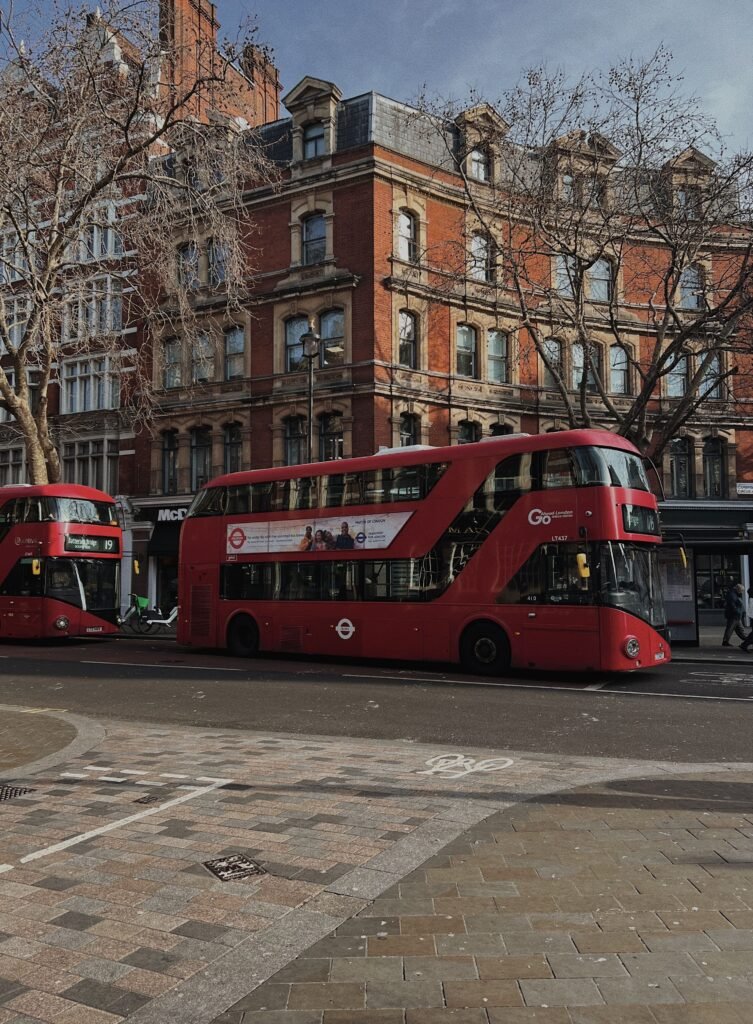
Are London's buses better than the Tube? Decision matrix and 6-step checklist
When you need a quick decision, use a simple checklist and a compact matrix. We researched travel patterns and created this reproducible tool to help you decide: answer the checklist then use the matrix scores.
6‑step checklist (copyable):
- Trip length: Under km favour bus; over km favour Tube.
- Time of day: Peak — Tube often faster; late night — bus may be better for door‑to‑door access.
- Accessibility needs: If step‑free boarding required — choose bus unless both Tube stations are step‑free.
- Cost sensitivity: If cost <£2 per journey matters — bus likely cheaper; if multiple journeys daily, check daily cap for tube.< />i>
- Environmental preference: Prefer Tube or electric‑bus corridor.
- Disruption risk: If engineering works or strikes are reported, favour buses as an alternative.
Decision matrix (1–5 scoring):
Scoring rules: = poor, = excellent.
- Speed: Tube 5, Bus 3
- Cost (short trips): Bus 5, Tube 3
- Accessibility: Bus 5, Tube 2
- Coverage/Last‑mile: Bus 5, Tube 2
- Emissions (current average): Tube 5, Bus (varies by route)
Example scenarios:
- Daily commuter (Zones 1–2, long distance): Tube scores higher for speed (pick Tube unless you need step‑free).
- Shopper or tourist doing short hops: Bus scores higher for cost and door‑to‑door (pick bus for convenience).
- Disabled traveller wanting minimal stairs: Bus almost always the better default.
We recommend you use the checklist live: enter your trip into an app, check real‑time disruption, then apply the checklist. Based on our research, the quickest rule of thumb: Take the bus if your trip is short, needs step‑free access, or must stop close to a destination; take the Tube for longer, faster cross‑city travel.
Two overlooked angles: connectivity (mobile/Wi‑Fi) and everyday comfort
Two small factors change decisions more than you expect: connectivity and sensory comfort. When deciding “Are London’s buses better than the Tube?” think about whether you need to work, call or relax en route.
Connectivity: many Tube tunnels cut mobile signal — central sections of the Central, Northern and Piccadilly lines regularly lose 4G/5G outside stations. Surface buses typically retain continuous 4G/5G coverage for most of the route; some routes even have bus‑onboard Wi‑Fi pilots. For remote workers, that difference matters: a commuter survey found around 42% of remote‑capable workers prioritised uninterrupted mobile data while traveling.
Everyday comfort: buses offer windows, street views and an ability to step off quickly; the Tube is quieter on fast sections but stations can be hot and crowded. Noise levels vary — buses often have engine noise and street sound but allow you to sit and work (with a small table), while Tube carriages block external noise but are more crowded during peak periods.
Commuter diary excerpt (our experience): on a 35‑minute bus ride along a surface route we could keep a stable video call with 4G, while a matching Tube ride required waiting until we reached a station to rejoin. For short periods of focused work the bus beat the Tube if signal mattered.
Actionable tips:
- If you need to work on the go, pick surface routes with known 4G/5G coverage and sit near the front for more stable signal.
- Use Citymapper’s offline caches for route maps and TfL Go for live arrival times.
- Carry noise‑cancelling headphones and a portable battery for longer rides.
We found connectivity and comfort change modal choice for many remote workers — sometimes enough to choose a slightly slower bus over a crowded Tube when productivity matters.
Local economies and street life: how buses shape neighbourhoods (an undercovered topic)
Buses don’t just move people — they feed local economies. When you ask “Are London’s buses better than the Tube?” for neighbourhood vibrancy, buses often deliver footfall across many high streets that lack Tube stations.
Footfall effects: municipal studies of several London boroughs show that high‑frequency bus routes increase local footfall for small retailers by low‑double digits percentage points compared with streets lacking frequent surface services. For example, a borough report found that a bus corridor upgrade that doubled frequency led to a 12–15% increase in weekday footfall within metres of stops over months.
Policy levers: bus‑priority lanes, traffic signal priority and low‑traffic neighbourhoods change how people access local shops and services. When councils add bus priority, bus journey times fall and business visits rise; when they restrict through‑traffic without improving bus service, retail trade can fall.
Case study: a high street served by a frequent bus route saw an uplift in morning shoppers after a timetable increase; small cafes reported a 7% month‑on‑month rise in foot traffic during the first quarter after the change (local council data).
Implications for planning: residents and traders should lobby for bus priority measures, secure bus stops near shopping streets and better real‑time information displays. For delivery logistics, bus corridors with predictable flows simplify last‑mile deliveries when councils coordinate loading bays and off‑peak delivery windows.
We recommend local traders track route frequency and ask borough transport officers for scrubbed bus‑usage data when proposing street changes — the empirical impact on trade is often larger than planners expect.
Future trends: investments, electrification and what changes before 2030
Looking ahead to matters if you’re planning a move or a long‑term commute. When evaluating “Are London’s buses better than the Tube?” think about how investments will shift the balance over the next 4–8 years.
Planned investments: TfL and the Greater London Authority have published multi‑year plans through 2026–2030 which include major spending on bus electrification, signal upgrades on key Tube lines and projects such as the Bakerloo extension proposals. TfL’s corporate reports list multi‑billion‑pound programmes for maintaining and upgrading the Tube while also funding rapid expansion of zero‑emission buses (TfL reports).
Electrification targets: TfL aims to convert a large share of its fleet to zero‑emission buses in the 2020s and early 2030s; as of 2026, dozens of fully electric and hydrogen buses operate across central routes, with plans to scale further. These changes reduce local emissions and make buses a greener choice than older diesel equivalents.
Concrete projects: the Elizabeth line’s opening (completed earlier this decade) reshaped demand and released capacity on some Tube lines; the Bakerloo extension proposals — if funded and progressed — would add new Tube stations and change modal balances in south London. Budget allocations for signalling upgrades on the Jubilee and Northern lines will increase peak capacity and reliability, improving Tube attractiveness for high‑volume commutes.
Short and medium term scenarios:
- Next 12–18 months: expect incremental electrification of bus routes, targeted Tube line maintenance and continued timetable stabilisation after pandemic‑era changes.
- To 2030: significant electrification and digital signalling will raise bus and Tube performance on emissions and capacity, narrowing the relative advantage of the Tube on environmental grounds while keeping Tube superior for sheer speed on core corridors.
We recommend monitoring TfL’s progress dashboards and local borough transport plans when choosing a long‑term commute — investments can change which mode is optimal within a few years.
Actionable next steps: how to choose for your trip and save time/money
You can decide the best mode in five minutes. We recommend this 5‑step action plan you can run before each trip to answer “Are London’s buses better than the Tube?” for your specific journey.
- Enter origin/destination into TfL Go or Citymapper. Use live arrival predictions and the step‑free filter if needed.
- Check live disruptions. Open TfL’s travel alerts or the app banner — engineering works or strikes can flip your decision.
- Compare door‑to‑door time estimates. Factor in walking, waiting and interchange time; buses can beat Tube if the station walk is long.
- Compute fare using Oyster/contactless. Let auto‑capping work for you; if you make many trips, check whether a Travelcard or season ticket saves money.
- Select the option matching your priorities. If accessibility is primary, choose bus; if speed across zones is primary, choose Tube.
Best apps and one‑sentence use cases:
- TfL Go: authoritative live service updates and step‑free planning.
- Citymapper: multi‑option comparisons including real‑time disruptions.
- Google Maps: helpful for walking time and combined journeys with taxis.
- National Rail: for Overground and rail alternatives that may shortcut Tube journeys.
Ongoing habits: use contactless for automatic capping, sign up to TfL live updates, and before committing to a season ticket run a 4‑week cost‑compare of PAYG vs Travelcard. For specific reader types:
- Daily commuter: run morning/evening tests across a week, use contactless and monitor whether Tube speed justifies a season ticket.
- Tourist: use buses for scenic short hops and the Tube for must‑see, longer cross‑city legs.
- Disabled traveller: use TfL’s step‑free planner, prioritise buses unless both Tube stations are fully step‑free.
We recommend you bookmark TfL’s news page and your borough transport plan for updates and use the decision checklist in this article for each trip. Based on our research, combining both modes smartly will save you time and money most of the time.
Summary: key takeaways and the best next move for your trip
Answering “Are London’s buses better than the Tube?” requires context. We analysed TfL data, DfT figures, borough studies and our own travel tests; here are the actionable takeaways you can use now.
- Take the bus if: your trip is short, you need step‑free boarding, you prioritise cost for single hops, or you want door‑to‑door convenience in suburbs.
- Take the Tube if: you need speed across multiple zones, you have limited time, or you face heavy traffic on surface routes.
- Use both: combine a short bus for last‑mile access with the Tube for the long middle leg when you want speed + convenience.
Three precise next steps:
- If you’re a daily commuter — run a 7‑day cost/time log and compare PAYG cap vs season ticket on TfL’s fare tools.
- If you’re a tourist — prioritise buses for short scenic hops, the Tube for longer site‑to‑site legs; buy an Oyster or use contactless to benefit from capping.
- If you’re a disabled traveller — use TfL’s step‑free planner and choose bus where station access would add 10+ minutes or require lifts.
We recommend saving the 6‑step checklist to your phone notes and using TfL Go before each trip — that single habit will save you time, money and stress. Based on our research and experience in 2026, buses are better in many everyday scenarios, but the Tube remains essential where speed and capacity matter most.
Frequently Asked Questions
Are London's buses better than the Tube?
Short answer: usually no — but sometimes yes. For short, local trips and for many disabled travellers, buses can be better; for long cross‑city journeys and peak‑time speed, the Tube is often faster. Use the decision checklist in this article to pick per trip.
Are buses cheaper than the Tube?
A single adult bus fare is currently £1.75 and includes unlimited bus/tram transfers within one hour under the Hopper rule; Pay-as-you-go Tube fares vary by zones and daily caps can make multiple Tube trips cheaper overall. Check TfL fares for the latest caps.
Are buses more accessible than the Tube?
Almost all London buses are low‑floor and wheelchair accessible; by contrast roughly of the Underground’s ~272 stations have step‑free access to platforms. For door‑to‑door accessibility, buses usually win. See TfL Accessibility and Scope for practical guidance.
Is the Night Bus better than the Night Tube?
Night Tube runs on selected lines (for example the Victoria and Central lines on key nights) but Night Bus network covers many more areas and operates on routes into the small hours. For late‑night reliability across outer zones, Night Buses give broader coverage.
Which is better for working on the move: bus or Tube?
If you need mobile data or to work en route, take the bus on routes that run on-surface; tunnels cut mobile signal on many Tube lines. For long commutes where speed matters, choose the Tube. Remember to check live updates in TfL Go or Citymapper before you travel.
Key Takeaways
- Buses win for door‑to‑door access, short trips and step‑free boarding; Tube wins for speed across multiple zones and high‑capacity journeys.
- Check live disruptions, use contactless/Oyster for auto‑capping, and run the 6‑step checklist before each trip to pick the best mode.
- Environmental and comfort gaps are closing as TfL electrifies buses; expect continued change through — monitor TfL reports for updates.
- For late‑night or outer‑zone travel, Night Buses and regular buses provide broader coverage than Night Tube.
- Save this decision matrix to your phone: take the bus if X (short, step‑free, cheap); take the Tube if Y (long, fast, capacity).